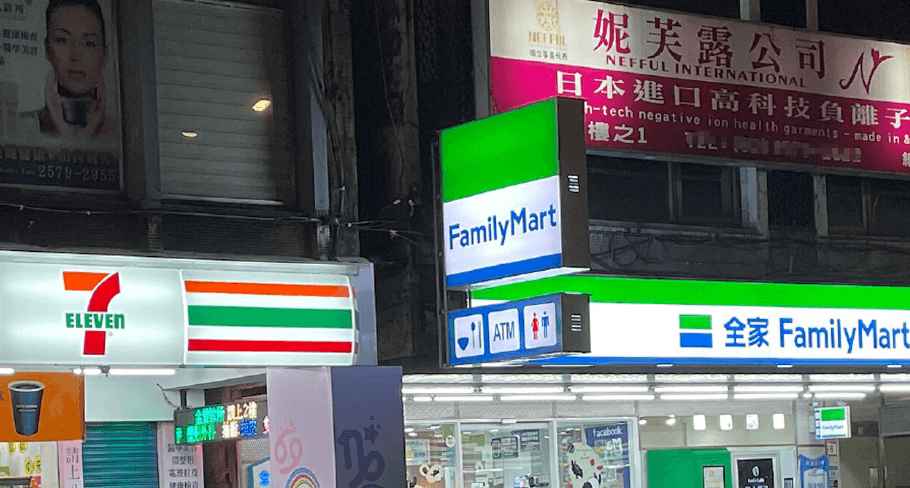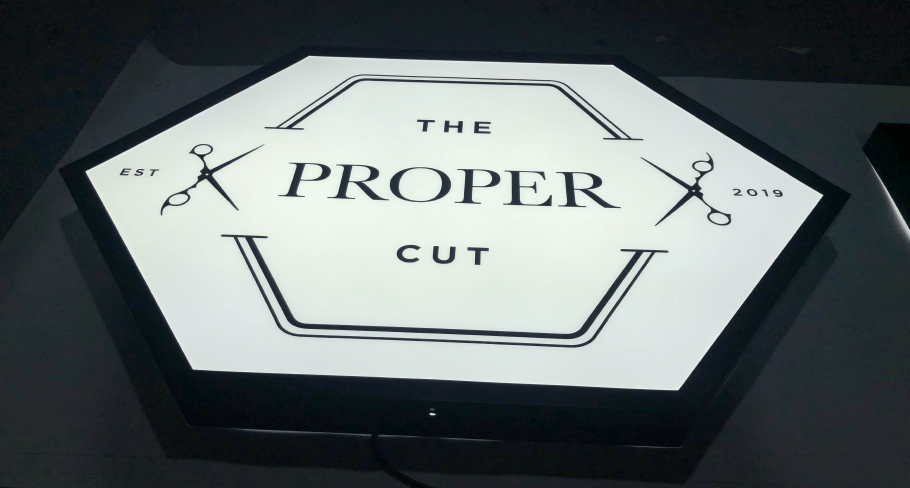
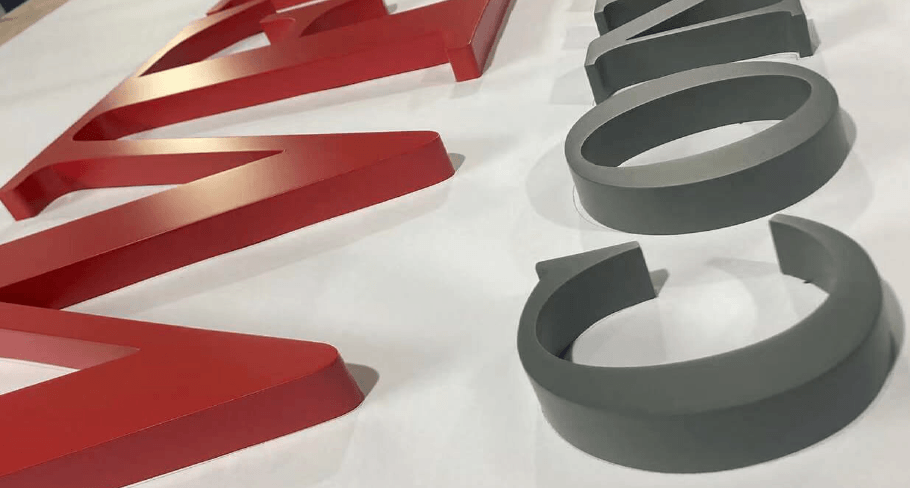
No, channel letters don’t have to be illuminated. They can be either illuminated (with lights) or non-illuminated (without lights), depending on the specific application scenario. For instance, if a store primarily operates during the daytime, non-illuminated channel letters can be chosen, resulting in a simpler appearance, lower cost, and easier installation and maintenance as there’s no need to consider power wiring.
Since we’ve brought up channel letters, this article will introduce them.
What is Channel Letters?
Channel letters are three-dimensional signage commonly found on the exterior walls of shops, restaurants, and commercial buildings. They are typically made of metal or plastic and can have internal light sources installed to illuminate the front or back of the letters, improving visibility and brand recognition at night and indoors.
What Do Channel Letters Look Like?
Channel letters are a group of independent three-dimensional letters, which typically have the following characteristics:
- Each letter is made individually, not as a single flat sticker.
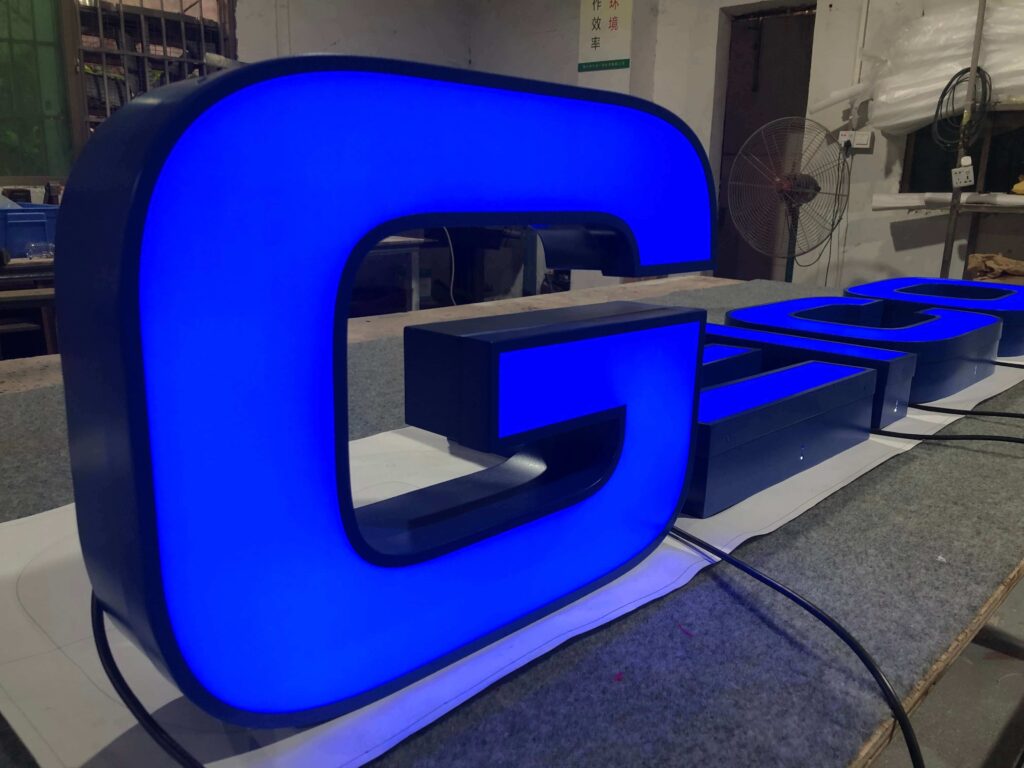
- The lettering has thickness, protruding from the wall like a “box”.
- Common materials are aluminum, metal, and acrylic.
- Illuminated versions usually have a transparent or semi-transparent front with concealed lighting.
The large letters you see on the storefronts of shopping malls or restaurants that appear as colorful 3D letters during the day and become illuminated at night are channel letters.
As shown in the image below:
Why Are They Called Channel Letters?
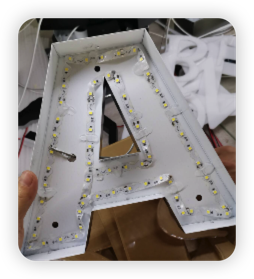
They are called channel letters because their structure contains a “slot/channel”-like space. The front, sides, and back of the letter are made to form a deep three-dimensional “slot/channel”, as shown in the image below:
What Are the Different Types of Channel Letters? How to Choose?
Based on whether they are illuminated—and the location of the illumination—channel letters can be classified into four types:
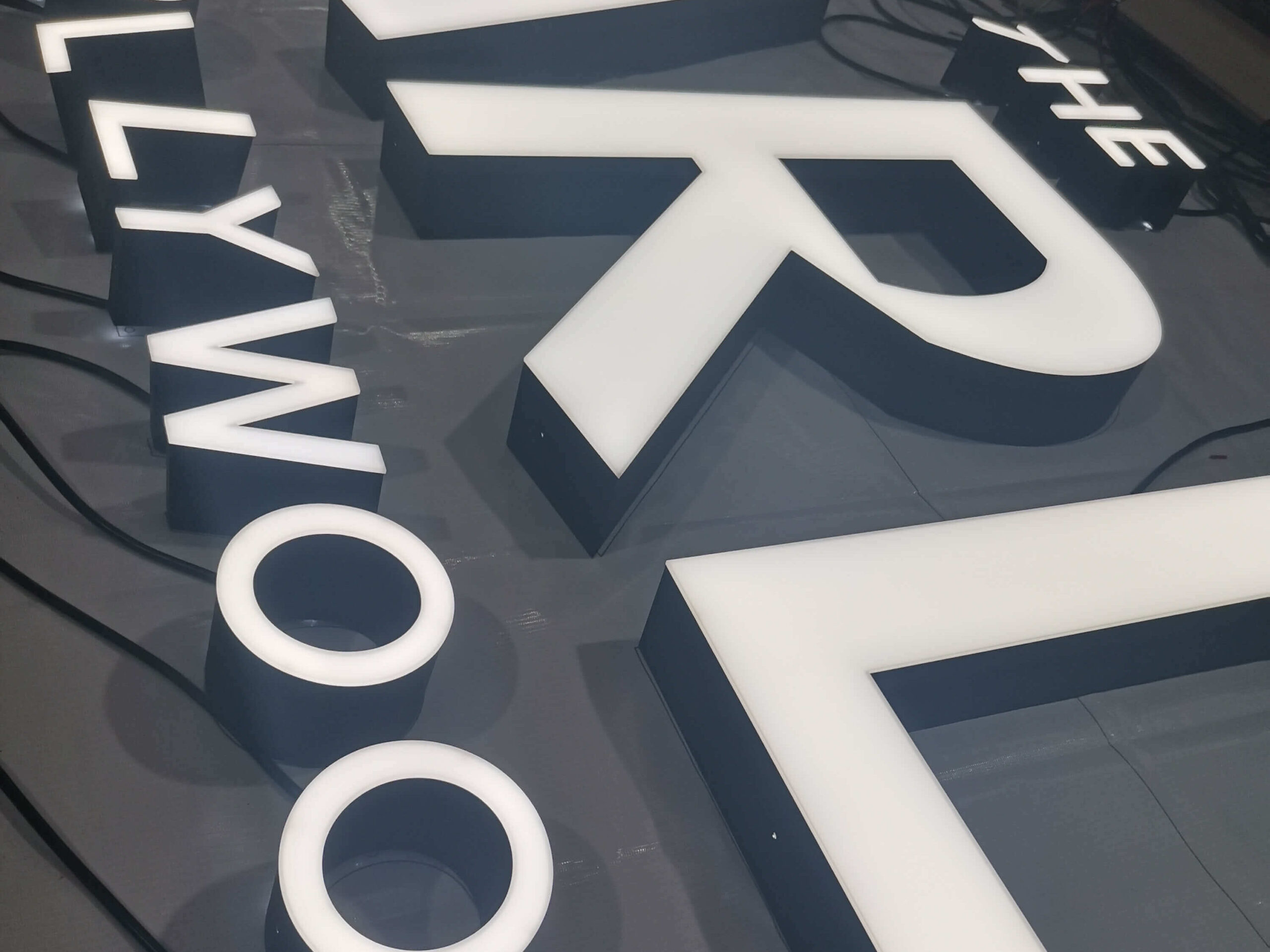
Front-Lit/Face-Lit
Most commonly, the light shines through the letter itself, as shown in the image below:
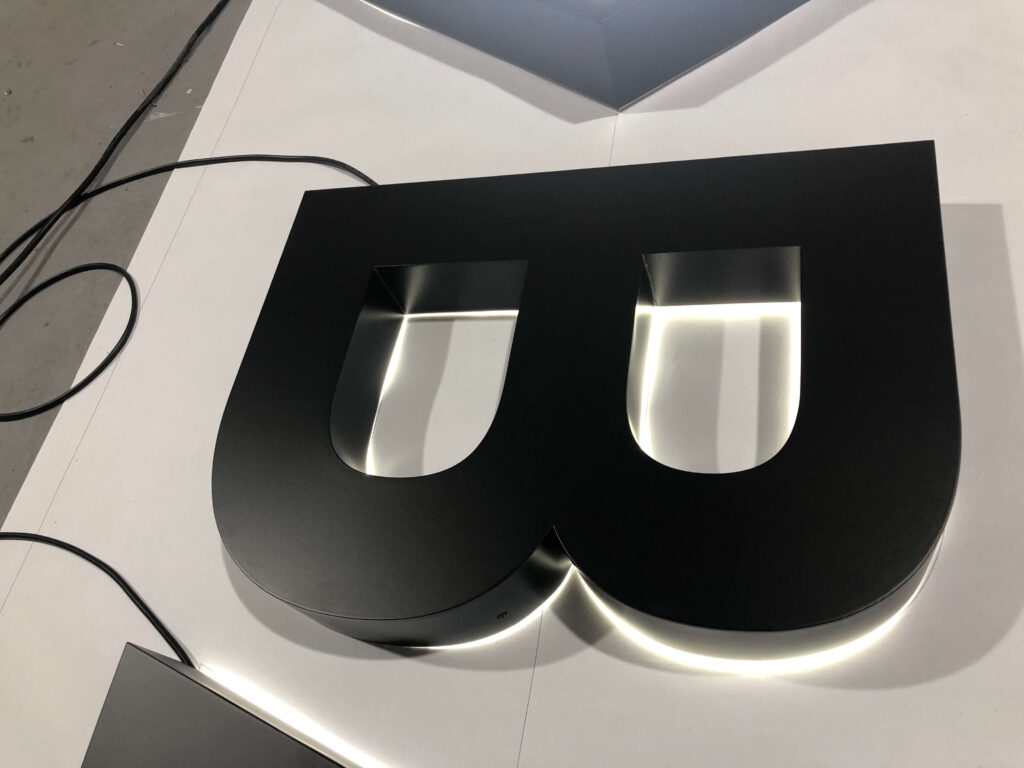
Halo-Lit/Back-Lit
The light shines from behind the text, creating a halo effect, as shown in the image below:
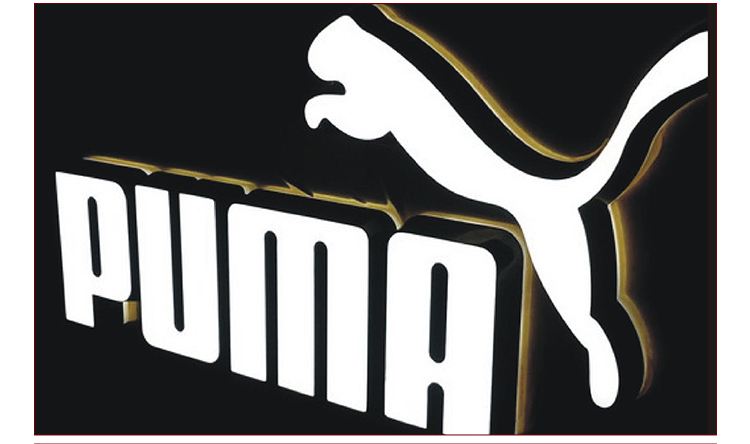
Front & Back-Lit (Dual-Lit)
Both the front and back are shiny, as shown in the picture below:
Non-Illuminated
It retains the shape of 3D letters, but does not have internal lighting. It is less frequently ordered by customers, as shown in the picture below:
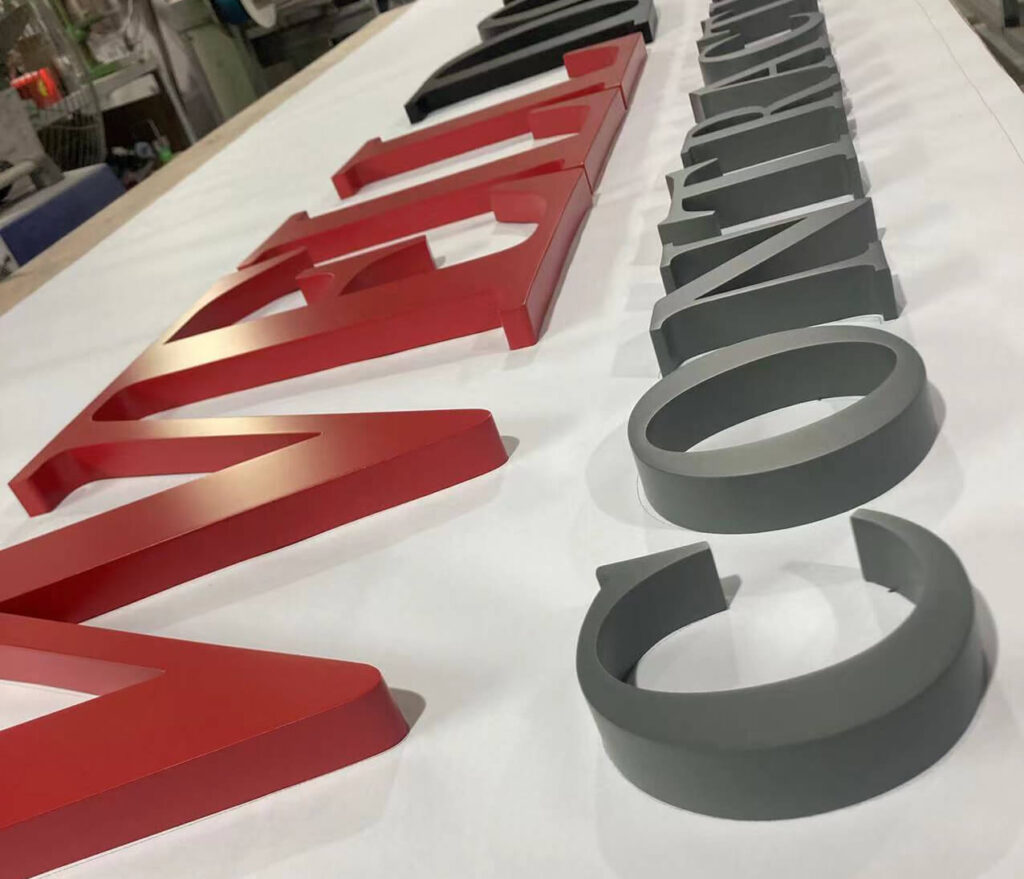
For different types of channel letters, we can choose the appropriate one based on factors such as the usage scenario and budget:
| Type | Visual Effect | Cost | Maintenance | Recommended Use |
|---|---|---|---|---|
| Front-Lit (Face-lit) | Vibrant and bright. Highest visibility from a distance. The most classic choice. | Medium | Low | Retail stores, restaurant chains, shopping malls. |
| Halo-Lit (Back-Lit) | Creates a “halo” effect. Elegant, soft, and artistic aesthetic. | High | Medium | Luxury brands, high-end restaurants, boutiques. |
| Front & Back-Lit (Dual-Lit) | Strongest visual impact. Combines bright front faces with a soft backlight for incredible depth. | Highest | Medium/High | Flagship stores, landmark buildings, premium identities. |
| Non-Illuminated | Minimalist and clean. Relies on 3D depth and natural shadows. | Low | Very Low | Office interiors, reception walls, historic districts. |
Why Are Non-illuminated Channel Letters Ordered Less Frequently?
Channel letters, as a type of three-dimensional signage, are commonly used for storefronts, building facades, and commercial signage, effectively enhancing brand recognition. Compared to illuminated versions, non-illuminated channel letters are primarily suitable for daytime displays, budget-constrained scenarios, or situations where nighttime display is not required. Therefore, their application scope is relatively narrower, and order quantities are typically lower.
Although the application scenarios for non-illuminated channel letters are relatively narrow, they are absolutely necessary in some situations:
Indoor Signage: Used for reception area backdrops and meeting rooms. The interior should be well-lit, requiring no self-illumination, and aiming for a three-dimensional effect.
Historic Building Conservation Area: In some areas, due to light pollution controls or building preservation, the installation of illuminated signs is prohibited. In these cases, non-illuminated signs are the only compliant option.
Take Away
Choosing between illuminated and non-illuminated channel letters depends entirely on your specific business environment and operational hours. When planning your signage, do not assume that illumination is always mandatory. For instance, while a retail store in a busy mall benefits from a Front-Lit sign to capture night-time traffic, an indoor office reception or a facility in a historic conservation area may strictly require a non-illuminated version to comply with local codes or aesthetic standards.
Therefore, for each project, we advise clients to evaluate their primary hours of operation and check for any local light pollution ordinances before placing an order.
At FT Signage, we specialize in every technical details. Whether your project requires high-impact Front & Back-Lit letters for a flagship storefront or minimalist Non-Illuminated signs for a professional interior, we are here to manufacture products that follow your design and compliance requirements.
Feel free to contact us to discuss your specific project needs.
References