Customer Story
How to Choose a Reliable Signage Manufacturer in China: 5 Things Overseas Buyers Should Know
A real customer story about what overseas buyers should look for when choosing a signage manufacturer in China.

A real customer story about what overseas buyers should look for when choosing a signage manufacturer in China.
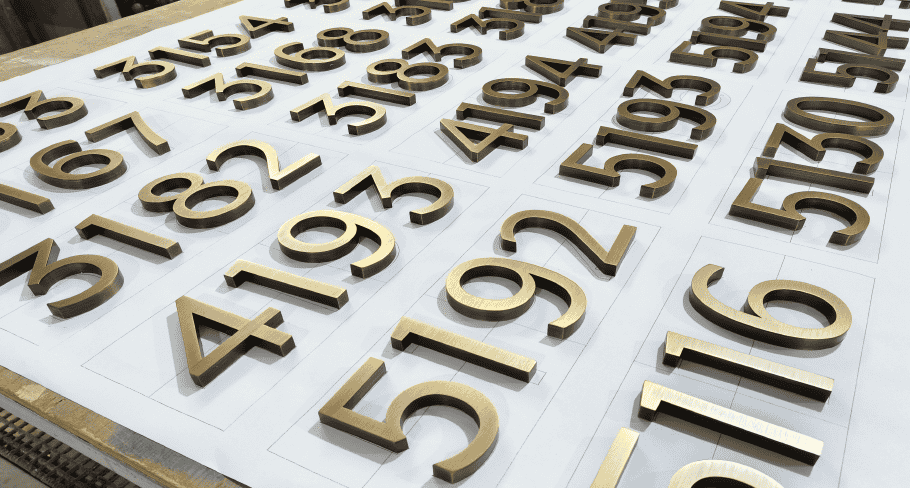
Non-Illuminated Fabricated Letters are three-dimensional, non-lit signs that rely on premium materials, craftsmanship, and structure to create durable and visually appealing signage solutions.
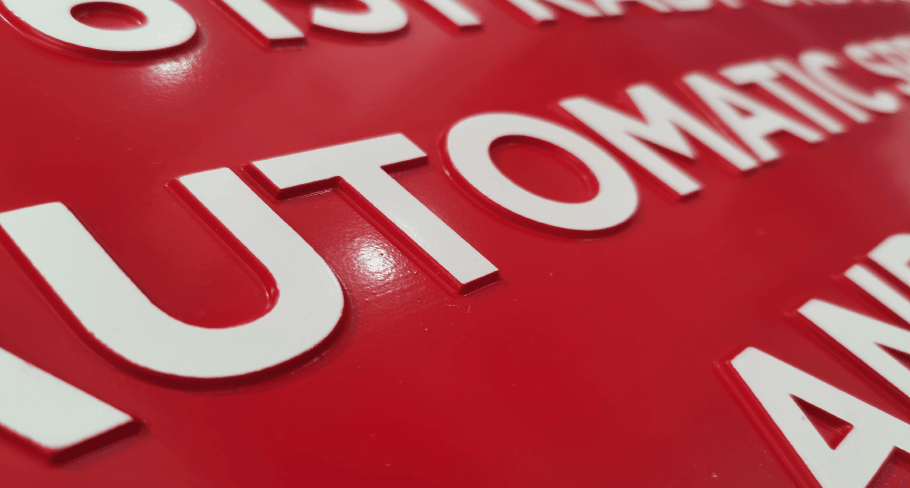
Learn what relief signs are, explore the differences between raised and recessed relief, and discover how to choose the right materials for custom signage projects.
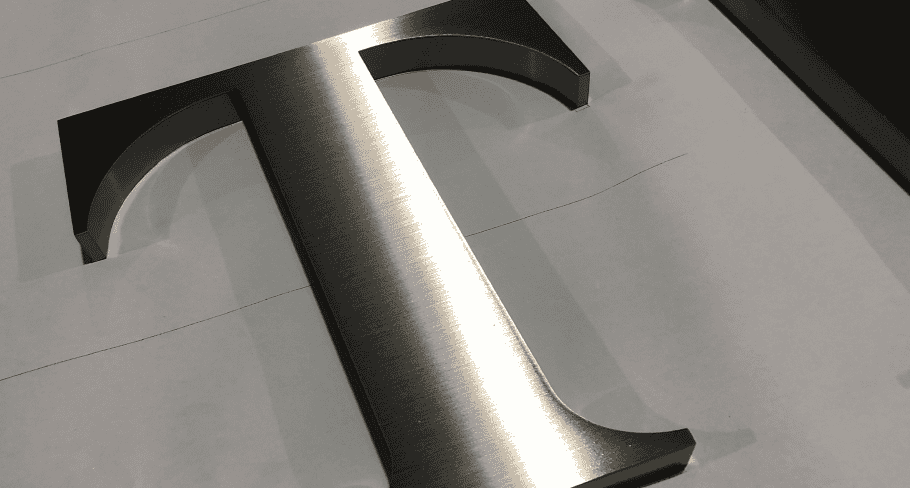
Oil canning in large metal sign letters is caused by stress, thin materials, weak structure, and installation pressure, proper design, thickness, ribs, and finish help prevent it.
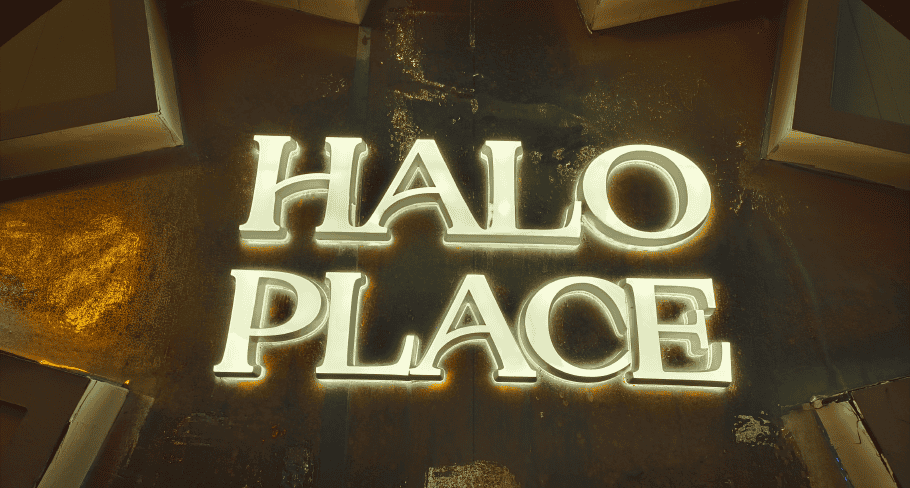
Learn the practical minimum stroke width and material thickness requirements for common sign types to ensure efficient fabrication, structural reliability, and premium-quality results.
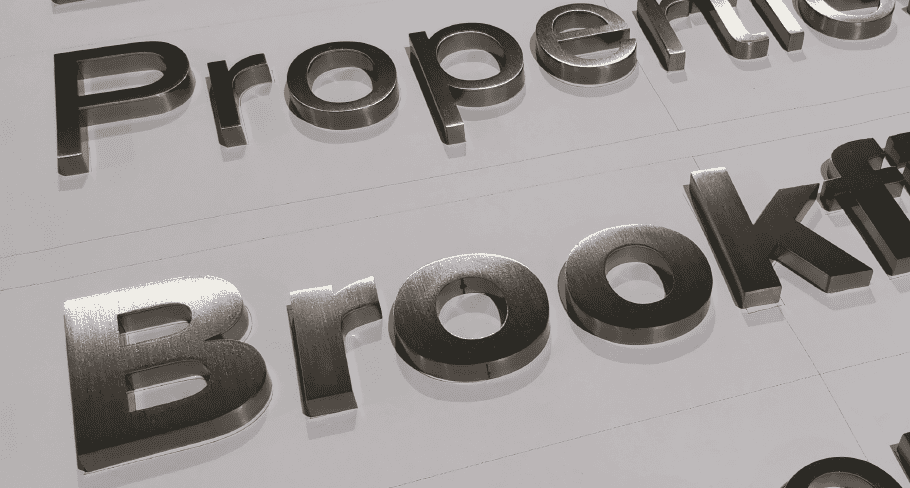
Brushed finish is a decorative metal surface treatment, done by machine or hand, creating linear grain, improving durability, reducing glare, and widely used in signage.
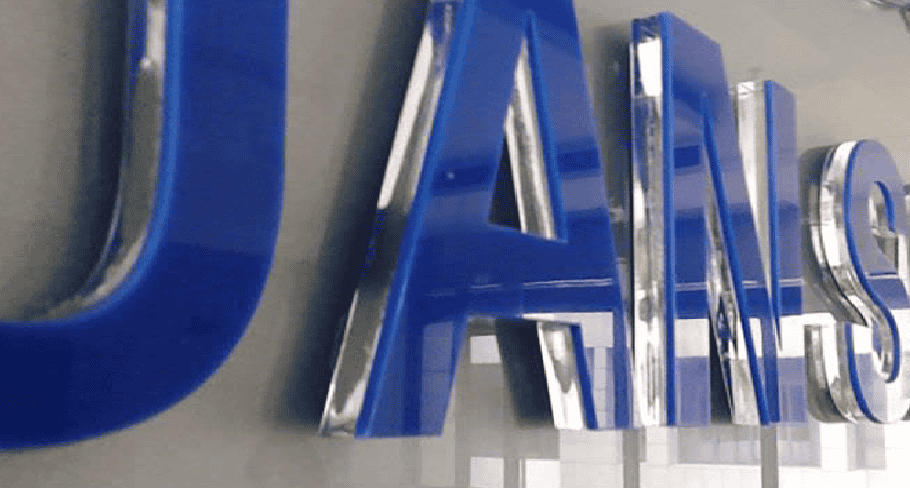
Acrylic edge polishing combines sanding and flame treatment to remove marks, improve clarity, and ensure smooth, safe edges, enhancing both appearance and tactile user experience.
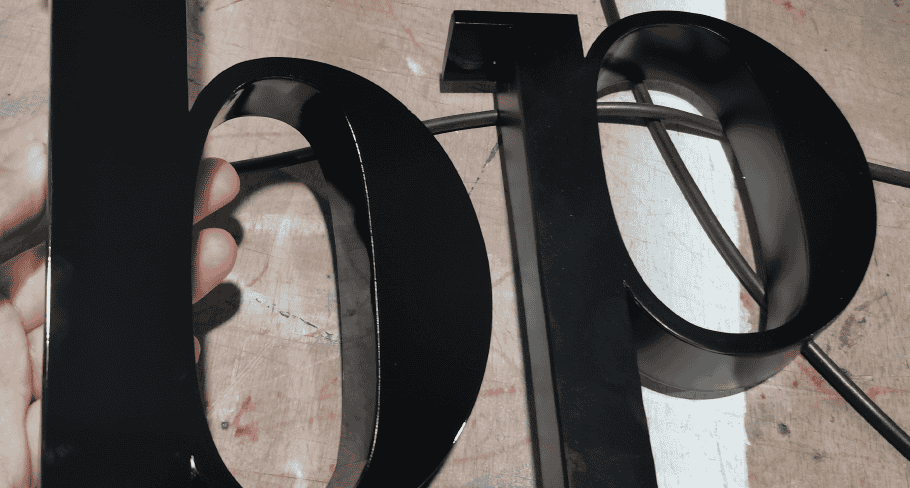
This article compares matte, satin, semi-gloss, and gloss finishes, helping readers choose the right sheen for signage based on appearance, reflectivity, and practical use.
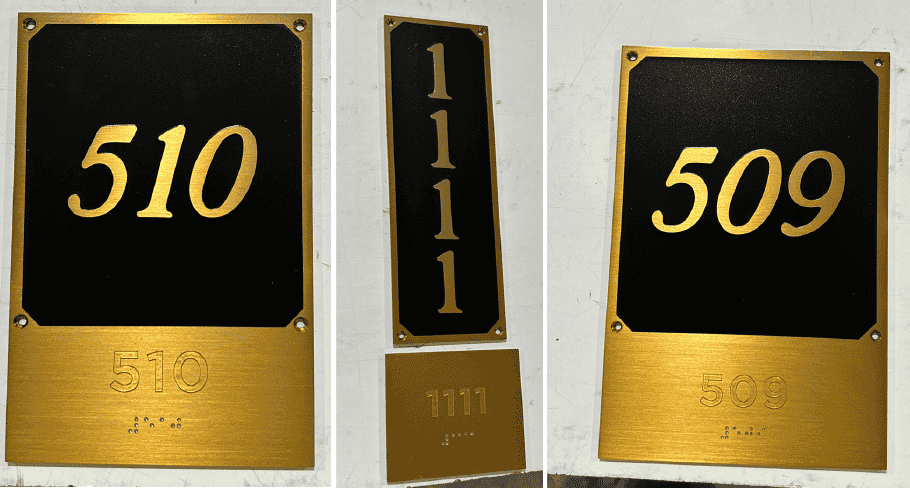
This article explains the Braille Exclusion Zone, a mandatory spacing requirement under U.S., California, and Canadian standards that ensures proper clearance between braille and raised elements for clear tactile readability.