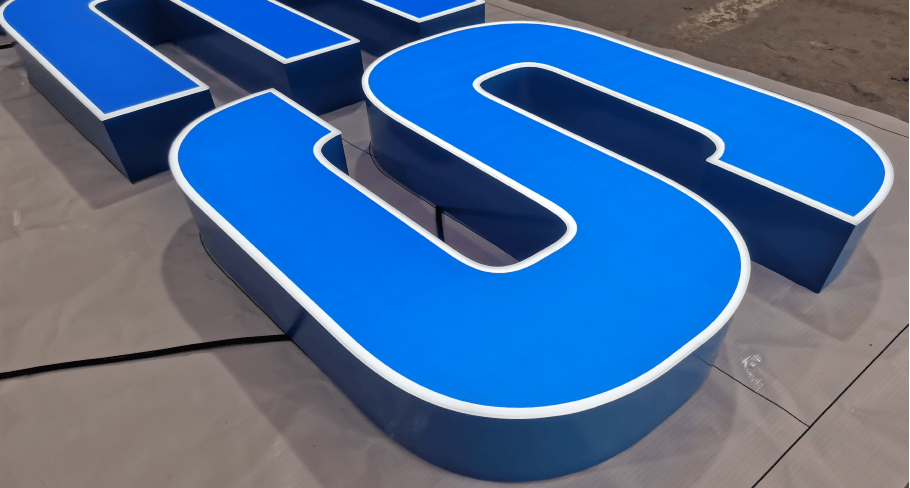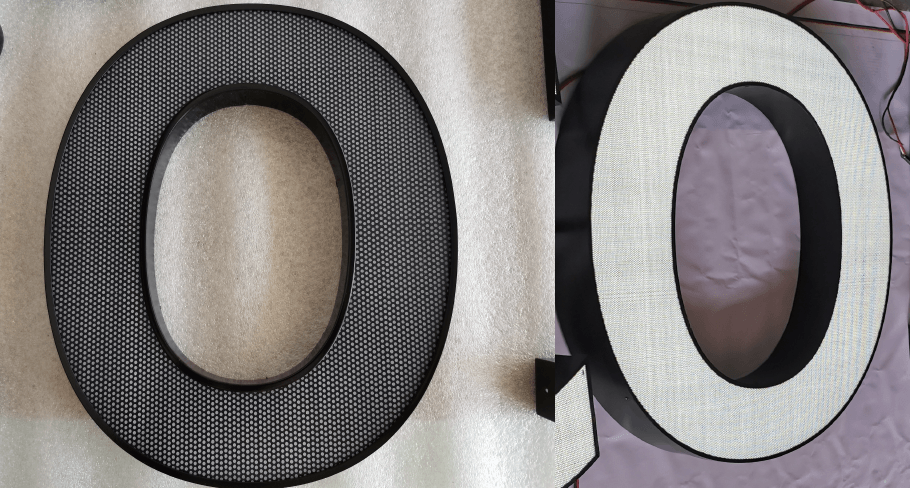

As the “first visual” for capturing business opportunities and connecting with users, the advertising signage industry is undergoing a profound transformation. “Large area, high brightness” has become a thing of the past. In 2026, advertising signage is increasingly defined by smarter systems, data-driven insights, lower energy use, and easier maintenance.
In 2026, staying competitive means focusing on two key areas—whether you’re an advertiser or working in sign manufacturing and import.
LED Display Screens: From “Static” to “Smart”
Digital out-of-home (DOOH) advertising is being redefined by AI and cloud technologies. By 2026, the core value of LED displays will no longer be just “brightness,” but “intelligence.”
AI-driven Content and Localization
Signboards are no longer limited to fixed, looping content. With AI-driven LED systems, display content can be adjusted in real time based on time, location, weather, and surrounding activity, enabling more targeted on-site advertising.
High Resolution and Fine Pitch
As viewing distance decreases, display clarity becomes much more noticeable. Fine pixel pitch (Mini/Micro LED) and higher image quality are now key factors, especially for indoor, semi-outdoor, and storefront applications.
Remote Control, Cloud-based CMS, and Programmatic DOOH
- Cloud-Based Content Management: Enterprise clients are increasingly relying on cloud-based systems to manage signage remotely—whether it’s scheduling content, updating displays in one click, or adjusting brightness automatically. This helps reduce on-site maintenance and makes it much easier to manage multiple locations.
- Programmatic DOOH (pDOOH): Outdoor advertising is becoming more like digital media, with automated buying and more precise targeting. This shift is lowering the barrier to entry and bringing more small and mid-sized advertisers into the market.
Immersive Interaction and Safety Compliance
- Interactive Touchpoints: By integrating AR/VR, touch, sensors, and QR codes, LED screens are no longer just for display—they’re becoming interactive touchpoints that engage users directly.
- IT Security: As signage becomes more connected, cybersecurity and data privacy are becoming real concerns. This includes how audience data is collected and handled in a compliant way.
Energy Saving and Modular Design
With growing pressure to reduce energy use, modular designs are becoming more common. Systems built for lower power consumption, better heat dissipation, and easier maintenance help reduce long-term operating costs.
SMB Storefront Signage: “Strong Recognition” and “High Returns”
In 2026, smaller storefront signs are moving away from “bigger is better.” Instead, the focus is on clarity, affordability, and visibility—especially for businesses working with limited budgets.
Key Trends: Minimalist Design and a Sense of Cohesion
- Clear and Easy to Read: Keep the message simple—store name, logo, product category, and one key selling point. People should be able to understand what you offer within a few seconds.
- Well-Lit and Visible at Night: LED signs, backlit signs, and SEG light boxes are now standard. Good nighttime visibility directly impacts foot traffic and makes the storefront more noticeable after dark.
- Consistent with the Brand: Storefront signage is increasingly designed to match the interior, brand colors, and overall style, creating a more cohesive look.
- Designed for Small Spaces: For narrow storefronts, every inch counts. Bold fonts, high-contrast colors, and focused layouts help create strong visibility even in limited space.
Three Highly Practical Implementation Strategies for Stores in 2026
For businesses like restaurants, convenience stores, coffee shops, and personal care services, three types of signage solutions are especially popular in 2026:
| Solution Type | Features & Advantages | Applicable Scenarios |
|---|---|---|
| Illuminated Letters + Backing Board | Offers a premium brand feel with excellent nighttime visibility and high-end appeal. | Coffee shops, trendy restaurants, chain brands |
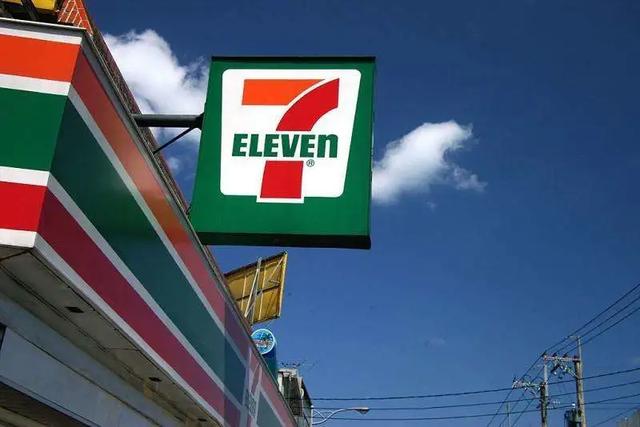
| Lightbox Signage | Relatively budget-friendly and highly convenient for frequent promotional graphic updates. | Convenience stores, seasonal tea/beverage shops, small stores with frequent promotions |
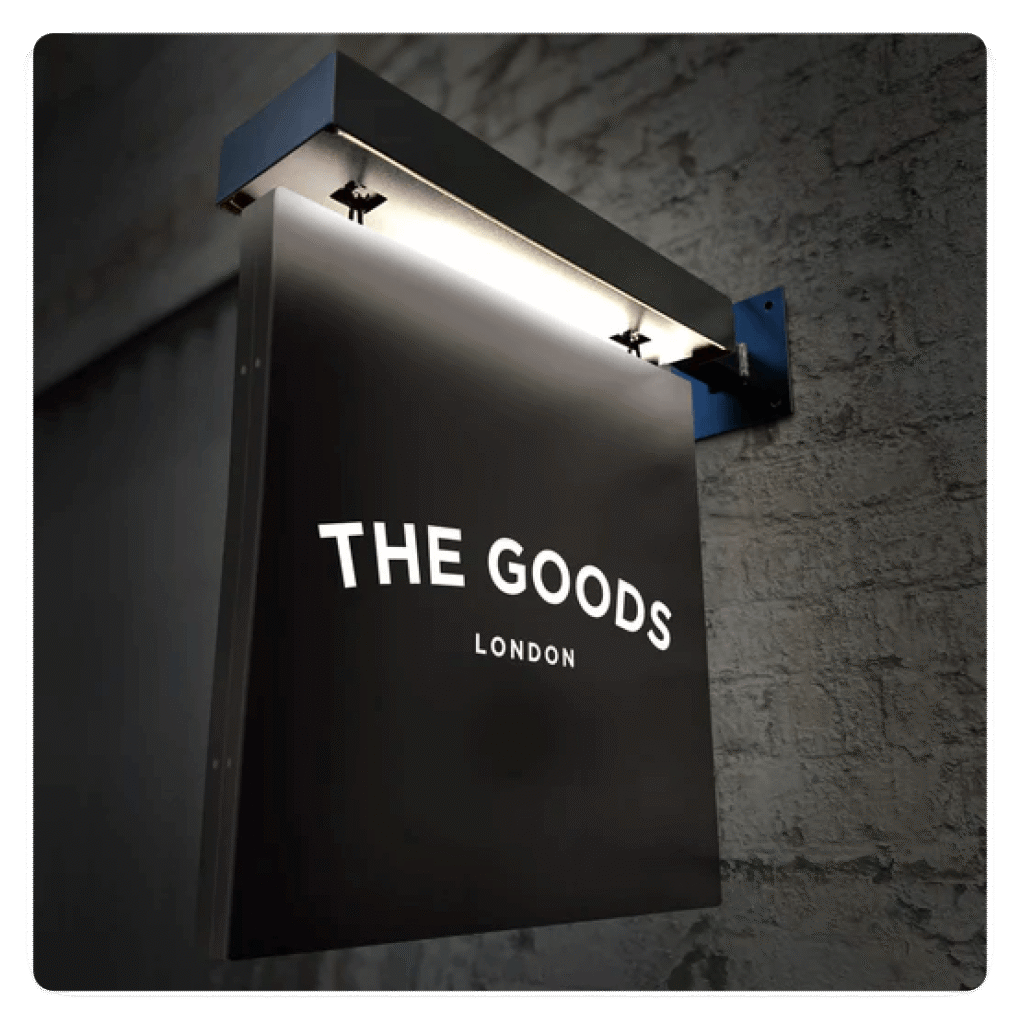
| Minimalist Flat Signage + Partial Illumination | Emphasizes design sense and tone; keeps things simple while retaining exquisite details. | Boutique/Select shops, community laundry & care stores, independent studios |
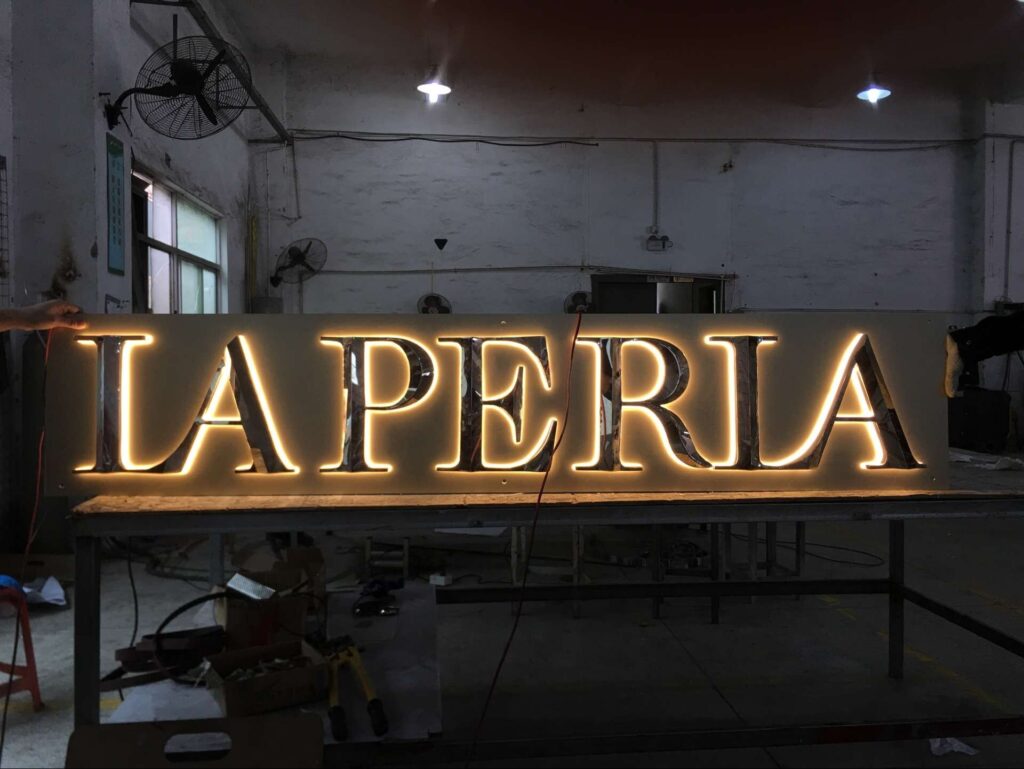
Selection Pyramid Approach
For small and mid-sized shops, a good storefront sign follows a simple priority:
First get noticed, then be understood, and only then focus on looking premium.
If your business depends on nighttime traffic, illuminated signs and light boxes usually deliver the best return and are worth the investment. If most of your traffic comes during the day, a clean, high-contrast storefront sign is often more than enough.
Conclusion
In 2026, advertising signage is moving in two directions: large-format displays are becoming more technology-driven, while storefront signs are becoming more practical and cost-focused.
Whether it’s digital LEDs adopting AI and programmatic buying, or physical storefront signs designed for easier maintenance and stronger visibility, the goal is the same—get better results while keeping costs under control.