In signage projects, we often receive requests from customers for relief signs.
Once completed, relief signs not only offer a strong three-dimensional effect but also provide a high level of artistic expression, making them a popular choice among many customers.
So, what exactly is relief? What are the differences between raised and recessed engraving? And how should you choose the right option for your project?
What Is Relief?
Relief is a form of carving that creates a three-dimensional effect on letters or patterns through engraving techniques. It is mainly divided into two types:
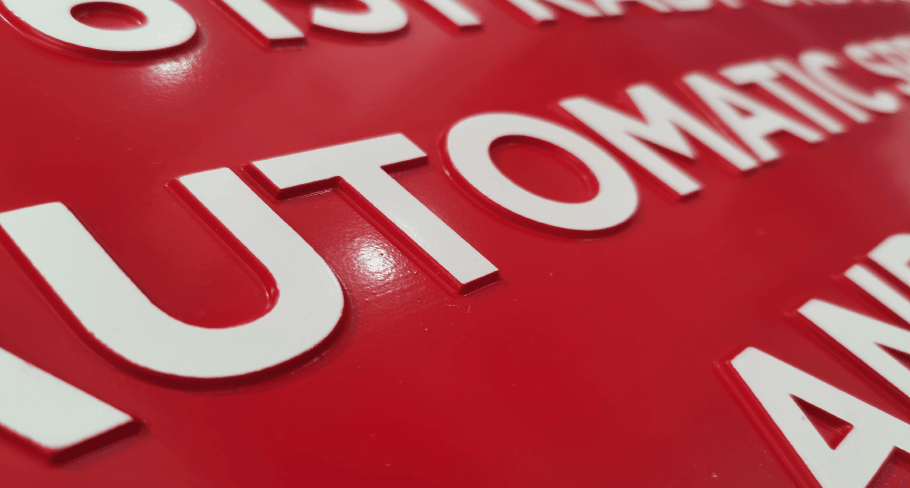
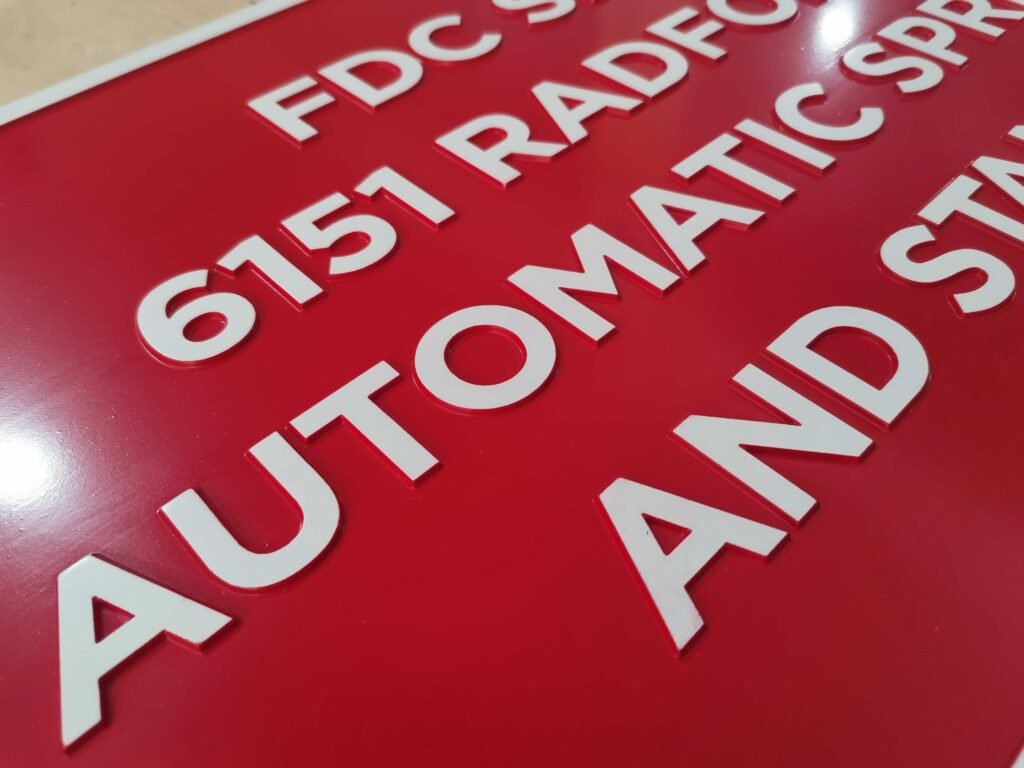
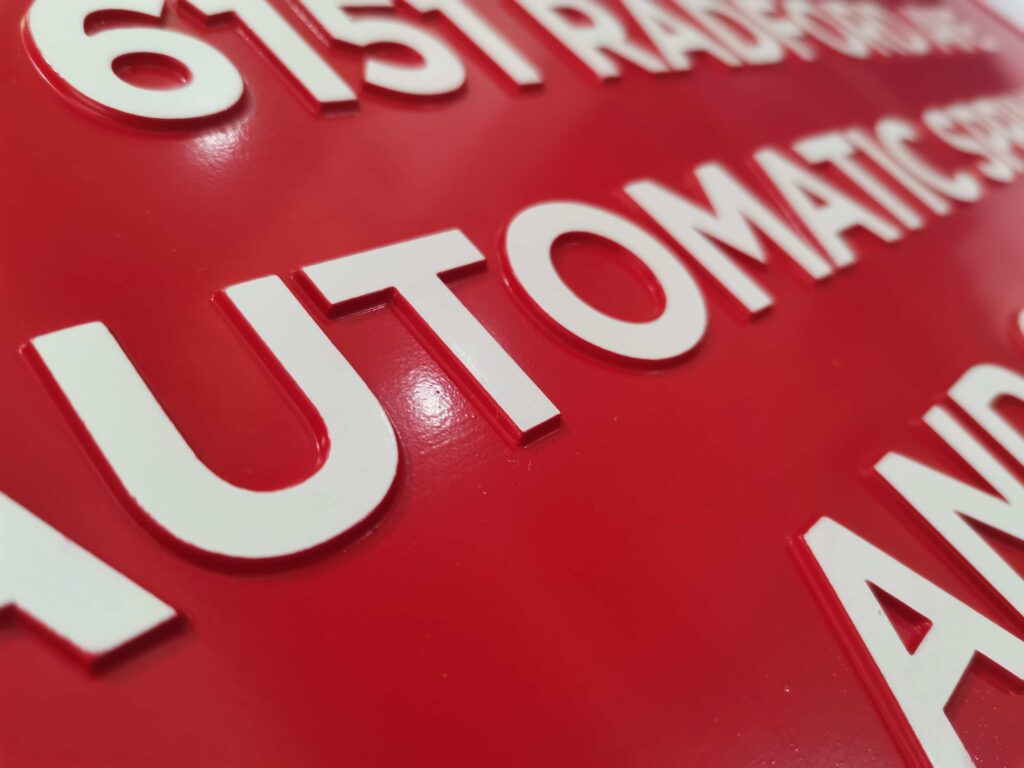
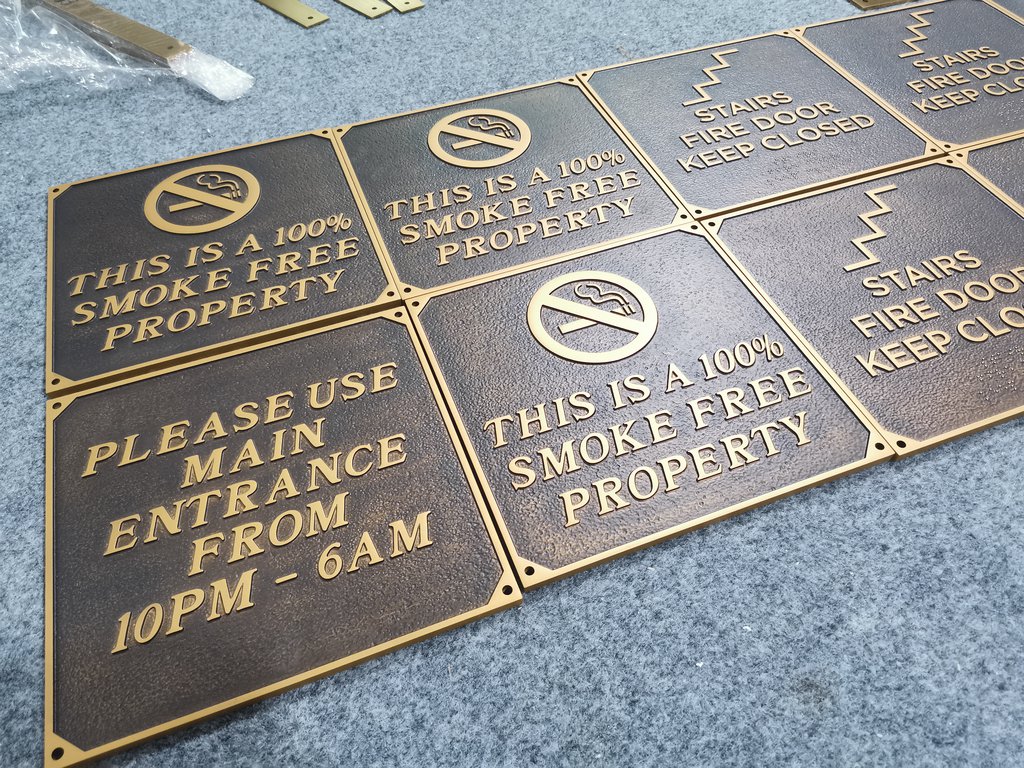
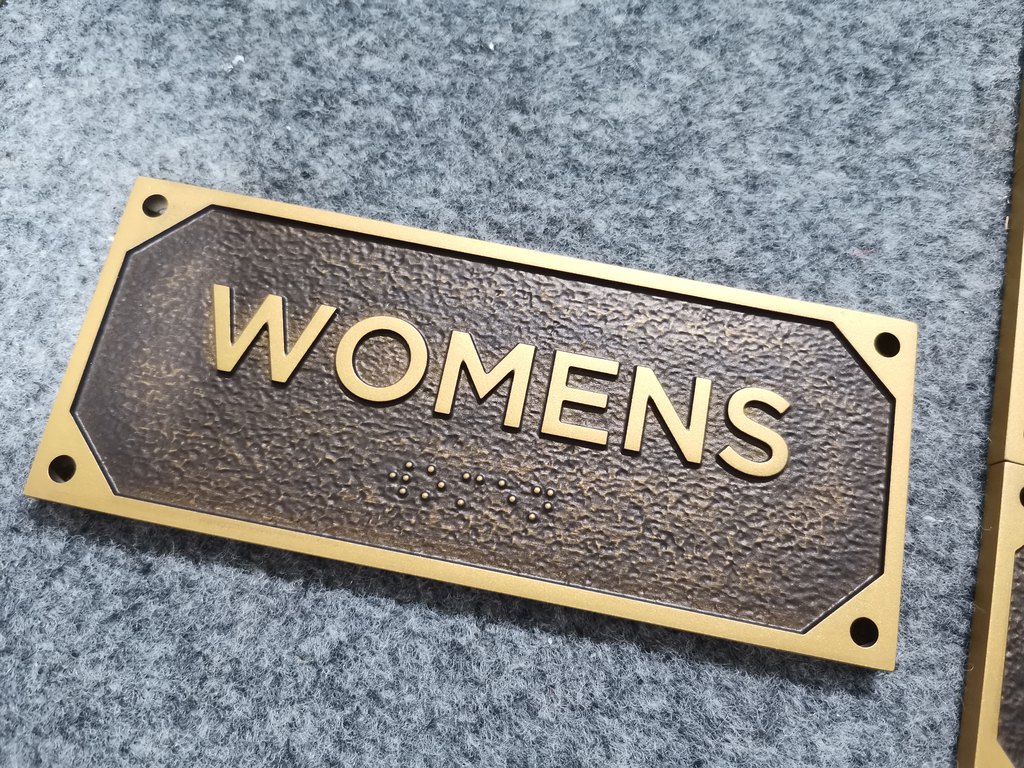
- Raised Relief (Yang Carving): The letters or patterns are raised above the surface of the background, creating a stronger three-dimensional appearance. It is suitable for applications where the brand message or visual focus needs to stand out.
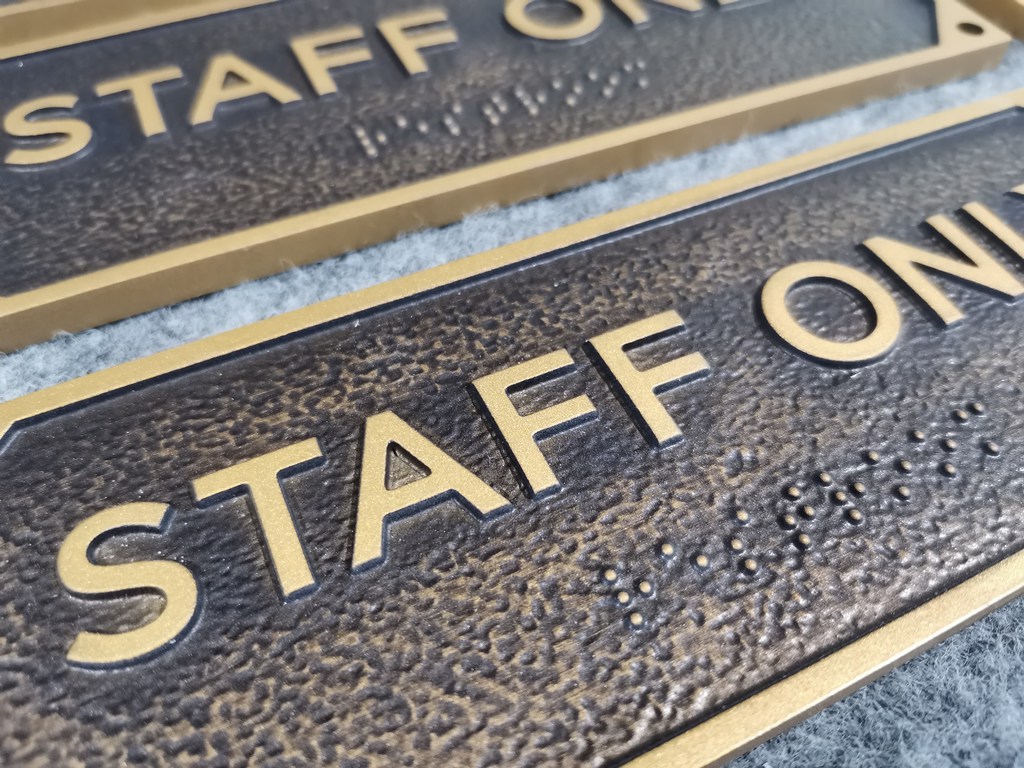
- Recessed Relief (Yin Carving): The letters or patterns are carved into the surface of the material, creating a recessed effect. This style delivers a more subtle and refined look and is often used in projects that emphasize details and artistic expression.
What’s the Difference Between Raised Carving and Recessed Carving?
Simply put:
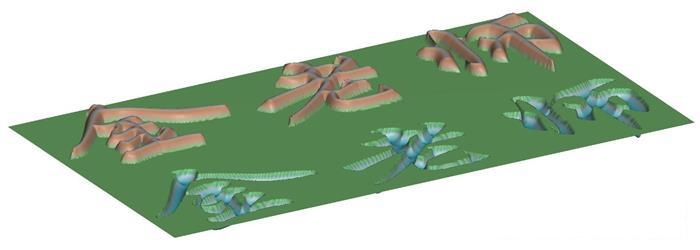
Recessed relief is created by carving the letters or patterns into the material surface, forming a recessed effect. Raised relief, on the other hand, removes the surrounding material while keeping the letters or patterns raised above the surface.
The biggest difference between the two is that one is “carved inward”, while the other is “raised outward.” The final visual effects are shown in the image below:
Choosing Materials for Relief Signs
In the signage industry, relief signs are typically made from metal or acrylic materials.
When using metal, brass or aluminum plates are usually preferred, while stainless steel is less commonly used. The main reason is that stainless steel has a higher hardness, making it more difficult to carve and process. This not only increases manufacturing costs but also makes it less flexible than brass and aluminum when it comes to achieving fine details.
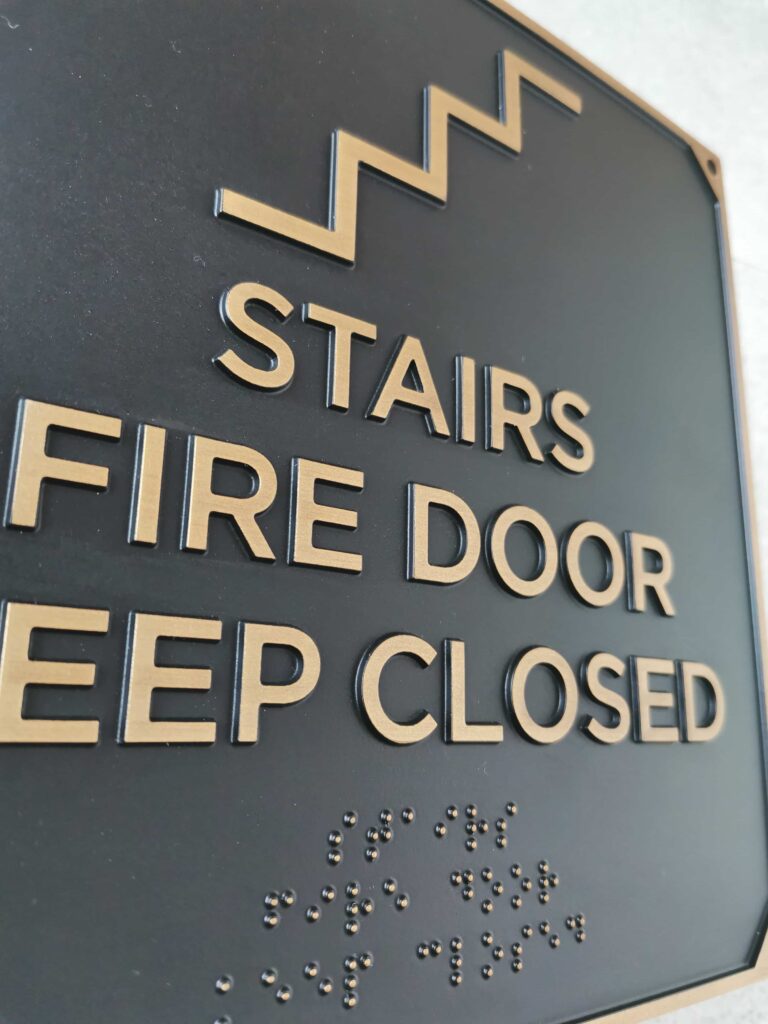
Brass offers a stronger sense of texture and richer detail expression, making it suitable for projects that emphasize a premium look, historical character, or artistic appeal. However, brass generally comes with higher material costs, and its surface finishing and maintenance requirements are also relatively higher.
Aluminum plate is lightweight, easy to process, and easier to install. At the same time, its material cost is easier to control. If aluminum is used for relief signs, a plate thickness of 5–8 mm is recommended. A plate that is too thin may deform easily, while an overly thick plate can increase costs and result in unnecessary material waste.
Acrylic offers the advantages of being lightweight, having good light transmission, and providing rich color options. It creates a cleaner and more modern visual effect. In addition, acrylic is relatively easy to cut and engrave, making it suitable for relief sign projects that require complex shapes while also aiming to control costs.
Therefore, the final choice of material should depend on the specific requirements of the project. Different materials have their own characteristics in terms of texture, processing difficulty, weather resistance, and cost. The best solution should not be judged simply by which material is more expensive.
Overall:
- If the project focuses more on premium texture and long-term value, brass is a preferred option.
- If lightweight design, ease of fabrication, and cost control are the main considerations, aluminum is usually the better choice.
- If you want to achieve a modern look, rich colors, or unique shapes, acrylic can be a good option.
- Stainless steel is not recommended for making relief signs.
Applications of Relief Signs
Relief signs are commonly used in applications where texture, depth, and brand character need to be highlighted, such as hotel lobbies, corporate storefronts, campus signage, commercial space feature walls, cultural exhibition halls, memorial buildings, and high-end clubs.
Compared with standard flat signs, relief signs place more emphasis on three-dimensional effects and visual impact, making them more effective in expressing brand identity, spatial quality, and cultural atmosphere.
For outdoor projects, relief signs are typically combined with weather-resistant materials and surface finishing processes to ensure long-term display performance and environmental durability.
FAQ
In the signage industry, are recessed relief or raised relief signs more commonly used?
In the signage industry, raised relief is generally more common.
This is because raised relief provides a stronger three-dimensional effect and better visual recognition, making it more suitable for applications such as storefront signs, brand displays, and other scenarios where information needs to stand out.
However, if a project aims to create a more sophisticated, subtle, or traditional look, recessed relief can also be used. Overall, though, recessed relief is less widely applied compared to raised relief.
What is the difference between recessed relief and etching in the final result?
Although both recessed relief and etching are surface processing techniques, they produce noticeably different results.
Recessed relief is created through mechanical machining, where letters or patterns are directly carved into the material. As a result, the finished product usually has greater depth, with more defined edges and stronger layering effects.
Etching, on the other hand, is typically achieved through a chemical process that removes material from the surface. It is generally a shallower treatment, producing a finer and more uniform appearance, but the recessed depth is usually not as noticeable as with recessed relief.
Between recessed relief and etching, which process should you choose? Which one is more cost-effective?
If you want a more three-dimensional, durable, and visually impactful result, recessed relief is the better choice.
If you place more emphasis on fine details, high contrast, and a smoother surface finish, etching may be a better option.
Generally speaking, etching has a lower processing cost, especially for small-batch projects, simpler patterns, or applications that do not require significant depth.
Recessed relief, however, requires deeper material removal, more machining paths, and longer processing time, so the fabrication cost is usually higher.
That said, for large-volume projects with standardized production processes, the cost difference between recessed relief and etching may become smaller. The final cost still depends on factors such as material type, engraving depth, pattern complexity, and precision requirements.
What is the difference between relief plaque, cast plaque and etching plaque?
Relief plaques are produced using the CNC router milling out the concave and convex text or image on the solid metal sheet;
Casting plaques is an aging process that results from pouring molten metal into a mold of sand or clay;
Etching plaques are created by a chemical etching process and text or image into a metal sheet.
For more detailes, please refer to below article:
Relief plaques VS. Cast plaques VS. Etching plaques
Take Away
Relief signs create a unique three-dimensional effect by adding depth and texture to letters or patterns. Whether using raised relief or recessed relief, the right choice depends on the desired visual impact, material characteristics, and project requirements.
For signage projects, raised relief is generally more common due to its strong visual recognition and dimensional appearance, while recessed relief is better suited for projects that require a more subtle, refined, or artistic look.
When selecting materials, brass, aluminum, and acrylic each have their own advantages. Brass delivers a premium and timeless feel, aluminum offers a balance of lightweight design and cost efficiency, and acrylic provides flexibility in color and modern aesthetics.
Ultimately, the best relief sign solution is not determined by the most expensive material, but by finding the right balance between design intent, durability, fabrication requirements, and budget.
Looking for a custom relief sign solution? Contact FT Signage today to discuss your project requirements and find the right design, material, and fabrication approach for your needs.