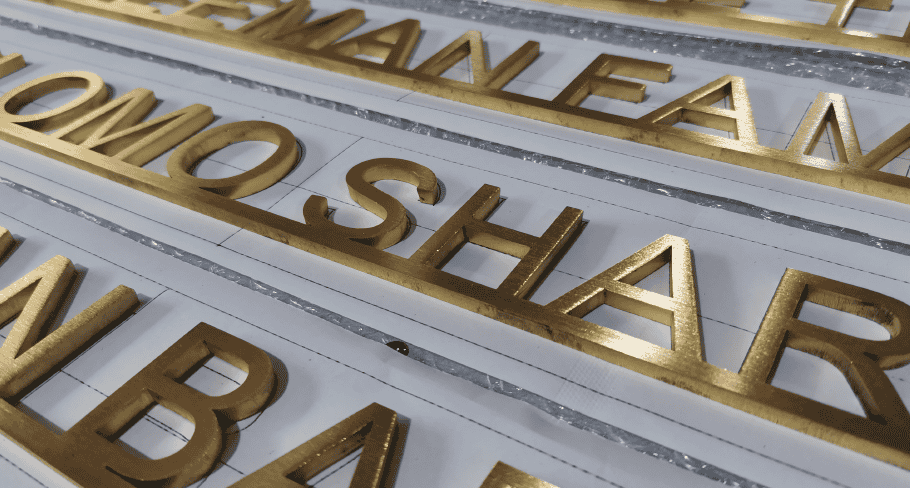
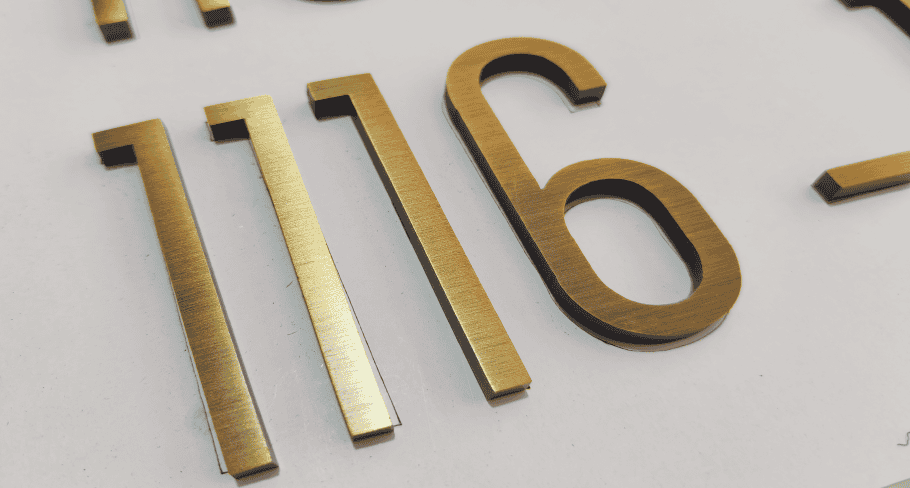
What is electroplating?
Electroplating is the process of depositing a layer of metal onto the surface of an object through an electrochemical process. During electroplating, engineers control the electrochemical reaction to transfer the desired metal coating from the anode (the electrode containing the plating metal) to the cathode (the workpiece being plated).
Is electroplating expensive?
The cost of electroplating is generally moderate, but it varies significantly depending on the materials, plating process, and production volume.
When using common metals (such as zinc-coated or copper-plated steel parts), electroplating is relatively inexpensive and is typically priced by weight (kilograms) or surface area.
However, when using precious metals (such as gold or platinum), producing small custom batches, plating complex deep-hole components, or plating difficult substrates such as aluminum alloys and stainless steel, the cost increases significantly.
What metals cannot be electroplated?
Sodium is an extremely reactive metal and cannot be electroplated because of its high chemical reactivity. In contrast, metals such as chromium, nickel, gold, and silver are commonly used for electroplating because they readily form stable ions during the electroplating process.
How many types of electroplating are there?
Electroplating can be classified in several ways. Common classifications include:
- By substrate material: metal parts plating and plastic parts plating
- By plating material: aluminum plating, tin plating, nickel plating, silver plating, chrome plating, zinc plating, copper plating, gold plating, titanium plating, etc.
- By production process: barrel plating, rack plating, continuous plating, and in-line plating
- By application: functional plating and decorative plating
What are the disadvantages of electroplating?
The main disadvantages of electroplating fall into three categories: environmental impact, quality control, and technical limitations.
Environmental impact: Electroplating generates wastewater and exhaust gases containing heavy metals (such as chromium and nickel), cyanide, and strong acids or alkalis. Treating these pollutants is expensive, and the industry is subject to strict environmental regulations.
Quality control: During processes such as acid cleaning and electroplating, hydrogen atoms can penetrate high-strength steel and other substrates, potentially causing hydrogen embrittlement and unexpected part failure. In addition, current distribution is often uneven, resulting in thicker coatings on sharp edges while deep holes, grooves, and other recessed areas may receive little or no plating.
Technical limitations: Certain technical limitations, such as unavoidable color variations between production batches, are difficult to eliminate completely.
Does electroplating wear off?
Yes. Electroplated coatings gradually wear over time. Their service life depends on several factors, including the operating environment, usage conditions, and the type and thickness of the coating.
What are common electroplating problems?
Some electroplating defects originate before the plating process begins, such as poor design, improper machining, or surface contamination during manufacturing. These issues can lead to defects such as sharp edges, pitting, cold shuts, contaminated surfaces, and cleavage points.
What are the alternatives to electroplating?
Besides electroplating, other surface finishing technologies include chemical vapor deposition (CVD), physical vapor deposition (PVD), and powder coating. Each process offers its own advantages, and the best choice depends on the specific application requirements.
What metals should not be used together?
Certain metal combinations should be avoided because they can cause galvanic corrosion. Common examples include:
- Aluminum and Copper: Aluminum acts as the anode and corrodes rapidly when in contact with copper, especially in humid environments.
- Zinc and Stainless Steel (or Galvanized Steel): Zinc is anodic to stainless steel and will corrode preferentially.
- Steel and Brass/Bronze: Steel is anodic relative to brass and bronze, causing accelerated corrosion of the steel.
- Magnesium and Almost Any Other Metal: Magnesium is highly anodic and corrodes rapidly when in contact with nearly any other metal, including aluminum, steel, and copper.
- Carbon Steel and Stainless Steel: Carbon steel acts as the anode and is prone to severe galvanic corrosion when paired with stainless steel.
Can electroplating prevent rust?
Yes. Electroplating deposits a protective metal coating onto the surface of steel or iron products. This coating acts as a sacrificial or protective barrier that corrodes before the base metal, slowing or preventing rust and extending the service life of the substrate.
Is electroplating AC or DC?
Electroplating uses direct current (DC). DC provides a stable and controlled flow of electrons, allowing metal ions to deposit evenly onto the workpiece surface.
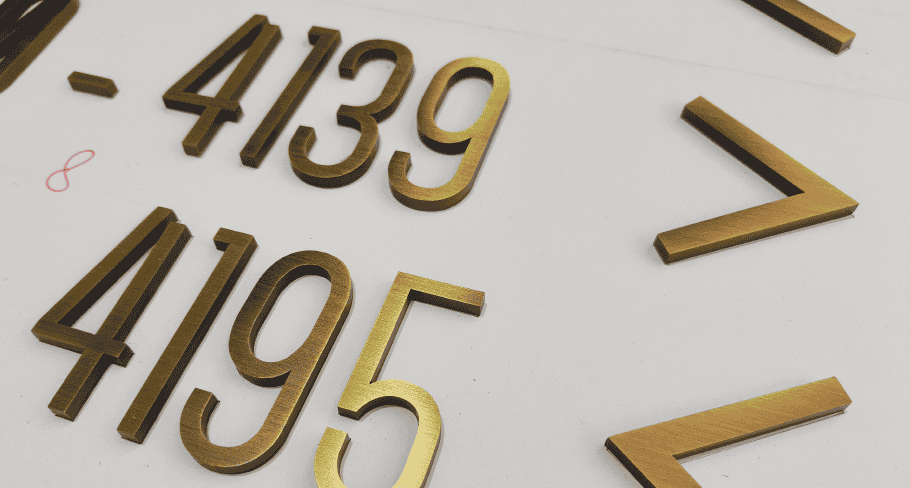
Which metals are most commonly used in electroplating?
The metals most commonly used in electroplating include:
- Copper: Widely used because of its excellent electrical conductivity and thermal conductivity. It also serves as an intermediate layer to improve adhesion between coatings.
- Zinc: Provides excellent corrosion resistance. Zinc alloys, such as zinc-nickel, offer even better atmospheric corrosion resistance.
- Tin: Offers excellent solderability, corrosion resistance, and environmental friendliness. It is also relatively inexpensive.
- Nickel: Known for its excellent wear resistance, corrosion resistance, hardness, and electrical conductivity. Electroless nickel plating is especially valued for its uniform coating, corrosion resistance, low friction, and high hardness.
- Gold: Highly resistant to corrosion, color fading, and wear. It is widely used where superior electrical conductivity and an attractive appearance are required.
- Silver: Although less corrosion-resistant than gold, silver provides excellent ductility, electrical conductivity, thermal conductivity, and wear resistance, making it an excellent alternative in many applications.
- Palladium: Frequently used as an alternative to gold or platinum because of its high hardness, corrosion resistance, and attractive finish. Palladium-nickel alloys also provide excellent plating quality and durability.
Can stainless steel be electroplated?
Yes, stainless steel can be electroplated, but the process is more challenging because its surface naturally forms a dense passive chromium oxide film. Before electroplating, this passive layer must be removed through acid activation or covered with a flash nickel layer to ensure proper adhesion. Otherwise, the plating may peel or flake off.
Can aluminum be electroplated?
Yes, aluminum can be electroplated, but it is considerably more difficult than plating stainless steel or copper because aluminum rapidly forms a stable oxide layer. For more details, please refer to this article:
Can aluminum be electroplated?
What is the difference between galvanic plating and vacuum plating?
Galvanic plating immerses metal parts in an electrolyte solution and uses electricity to deposit metal onto their surfaces. The electrolyte contains various chemicals that improve conductivity and facilitate the transfer of metal ions from the anode to the workpiece.
Vacuum plating, also known as vacuum metallization, is performed inside a high-vacuum chamber. The coating material is heated until it evaporates, after which the metal vapor condenses onto the surface of the workpiece to form a thin metallic coating.
How long does vacuum plating last?
The service life of vacuum plating depends on factors such as the coating material, application environment, and usage conditions. For signage applications, vacuum-plated finishes typically last approximately 1–2 years.
What is the ideal plating thickness?
For stainless steel vacuum plating, a typical coating thickness is approximately 0.3 μm TiN + 0.07 μm Au for gold and rose gold finishes, while black, gray, and gunmetal finishes are typically around 0.3 μm thick.
Can a part be etched after electroplating?
No. If a plaque requires both etching and electroplating, the etching process should always be completed first. Performing etching after electroplating will damage the plated surface.
Why is there color variation in electroplating?
Color variation in electroplated parts is mainly caused by differences in electric field distribution, changes in the plating solution, and variations in the substrate surface.
Uneven electric field distribution: Complex part geometries create different current densities across the surface, resulting in inconsistent coating thickness and crystal structure.
Changes in the plating solution: During electroplating, fluctuations in metal ion concentration, additive consumption, and pH directly affect the deposition process.
Differences in substrate surface finish: Even small variations in material composition or surface roughness caused by polishing or pretreatment can change light reflection, resulting in visible color differences.
How can color variation in electroplated parts be minimized?
Color variation can be minimized through proper process control, electrolyte management, and standardized quality inspection.
Stabilize process parameters: Precisely control current density, solution temperature, and plating time.
Maintain electrolyte composition: Regularly monitor and adjust the concentration of metal ions, pH, and additives.
Standardize color measurement: Use professional colorimeters under standardized lighting conditions (such as D65 daylight) and consistent viewing angles.
For more details, please refer to this article:
How Electroplating Is Used in Custom Signs
Can vacuum plating replace galvanic plating?
Vacuum plating can replace galvanic (electrolytic) plating in many applications, but it cannot completely replace it because each process offers different advantages.
Applications where vacuum plating is replacing galvanic plating: Decorative products such as mobile phone cases, automotive interior trim, and plastic components increasingly use vacuum plating because it offers a wider range of colors while being cleaner and more environmentally friendly.
Applications where galvanic plating remains essential: Heavy-duty industrial applications requiring exceptional corrosion resistance (such as outdoor fasteners), superior wear resistance (such as heavy machinery components), or thick metal coatings still rely on conventional electroplating.
Key considerations: The choice between vacuum plating and galvanic plating should be based on coating adhesion, substrate heat resistance, environmental compliance, production cost, and the intended service environment of the finished product.