When it comes to copper, many people immediately think of its metallic texture and excellent processing properties. In fact, copper has high application value in both industrial and signage fields. This article will systematically introduce the relevant knowledge about copper and copper signage.
What Are the Different Types of Copper?
Copper materials can be divided into 3 main categories based on purity, alloy composition, and application.
Pure Copper
Pure copper refers to copper materials with very high copper content(≥99.9%), include oxygen-free copper and electrolytic copper, such as C10100 and C11000.
These materials are widely used in electrical conductors, transformers, wire and cable, and architectural decoration.
Copper Alloys
When copper is combined with other metals, it forms copper alloys with different properties and applications.
- Brass is a copper-zinc alloy. Common grades include C26000 and C28000. It is often used in valves, musical instruments, and decorative components.
- Bronze is usually a copper-tin alloy. Common grades include C51000 and C52100. It offers good wear resistance and is widely used in bearings, gears, and mechanical parts.
- Copper-nickel(white copper) alloys contain copper and nickel. Common grades include C70600 and C71500. They are known for excellent corrosion resistance, especially in marine environments.
Specialty Copper Materials
In addition to standard copper and copper alloys, there are specialty copper materials with enhanced performance.
- Phosphor bronze offers good fatigue resistance and solderability.
- Beryllium copper, such as C17200, provides high strength and is used in precision springs, connectors, and non-sparking tools.
Which Copper Is Best for Signage?
Although there are many types of copper materials, not many of them are truly suitable for making signs. Besides appearance, the processing performance, durability and cost of the material are also important. In summary, brass is usually the most commonly used and practical choice in the signage industry.
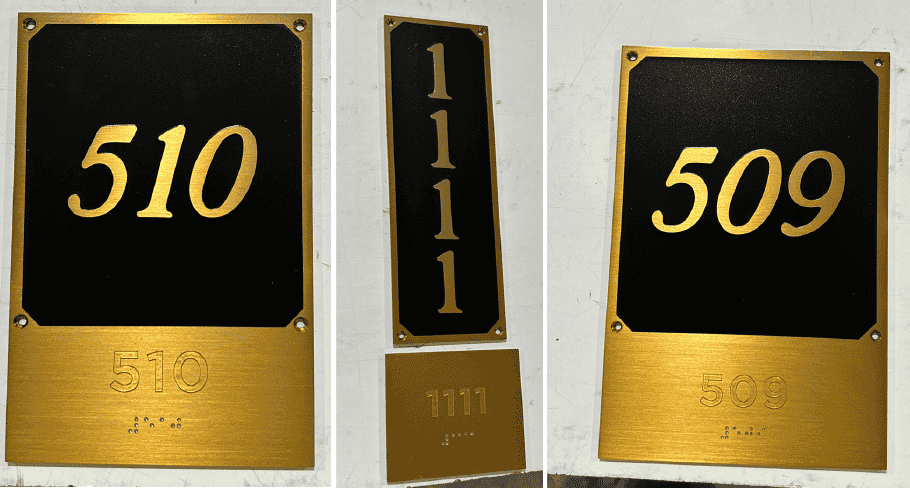
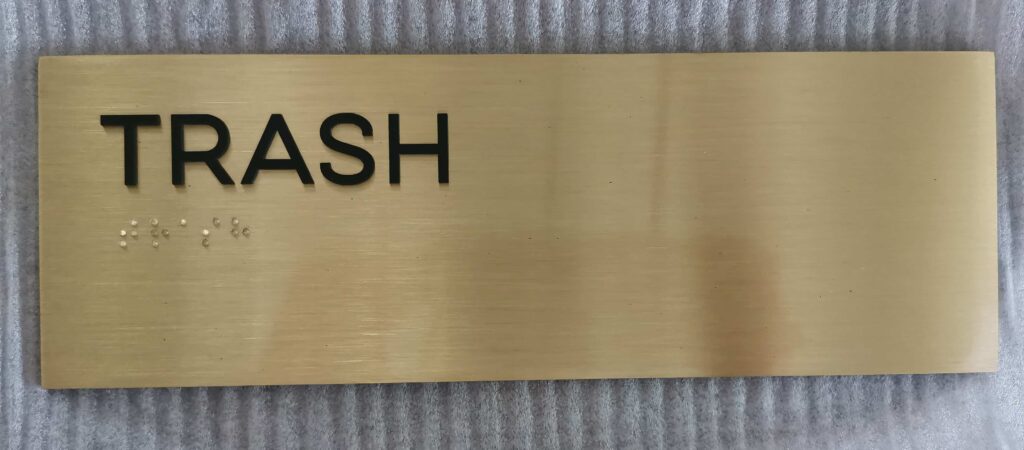
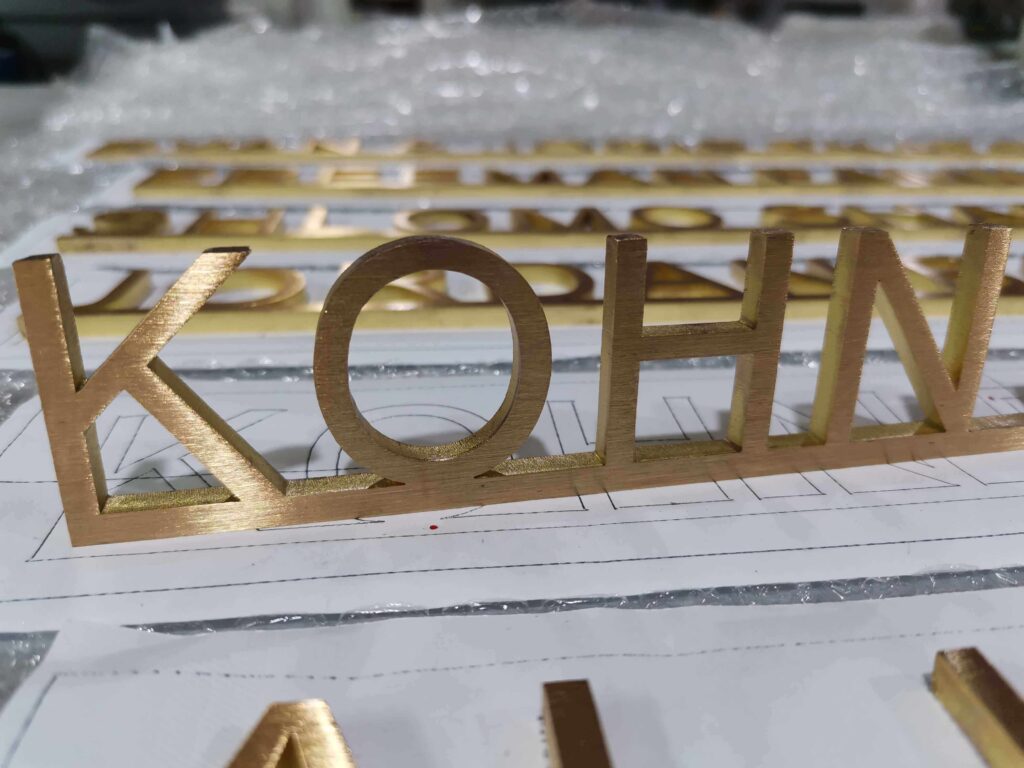
The brass color is a soft golden hue, with a strong metallic texture. It is more understated and visually appealing than pure copper, and also has excellent properties for cutting, engraving, welding, polishing and surface treatment. Therefore, it is widely used in door plates, nameplates, company logos and decorative signs. It can also present different styles through processes such as polishing, brushing, sandblasting, antiquing, and electroplating, and is suitable for both modern designs and creating a retro and high-end visual effect.
In comparison, pure copper has a brighter color but a higher price, a faster oxidation rate, and higher maintenance costs; bronze has excellent wear resistance and corrosion resistance, but it has a darker color and is more suitable for specific projects; white copper is mostly used in special functional products and is less commonly used in signage.
For most projects, brass achieves a good balance among appearance, processing efficiency, durability and cost, making it the preferred material for copper signage. Of course, the specific choice of material still needs to be considered comprehensively based on the project’s positioning, budget, design style and usage environment.
What Are the Surface Finishing Methods for Copper?
As mentioned above, common copper surface finishing methods include polishing, brushing, sandblasting, antiquing, electroplating, painting, and oxidation. Below is a brief introduction to each method.
Polishing
Polishing is a common method for treating the surface of copper. Its main purpose is to make the surface brighter and smoother. After polishing, the metallic texture of the copper material will be more prominent, and the overall appearance will be more refined. It is suitable for use in high-end signs and decorative items.
Brushing
The brushing process creates fine and uniform textures on the copper surface, giving the material a more layered appearance. Compared to the polished finish, the brushed surface is more understated and more visually appealing, and is therefore often used for modern-style nameplates and signs.
Sandblasting
Sandblasting is achieved by using abrasive materials to treat the copper surface, creating a uniform matte finish. It can reduce reflections, making the surface appear softer and more stable, and is suitable for products that aim for simplicity and restraint.
Antiquing
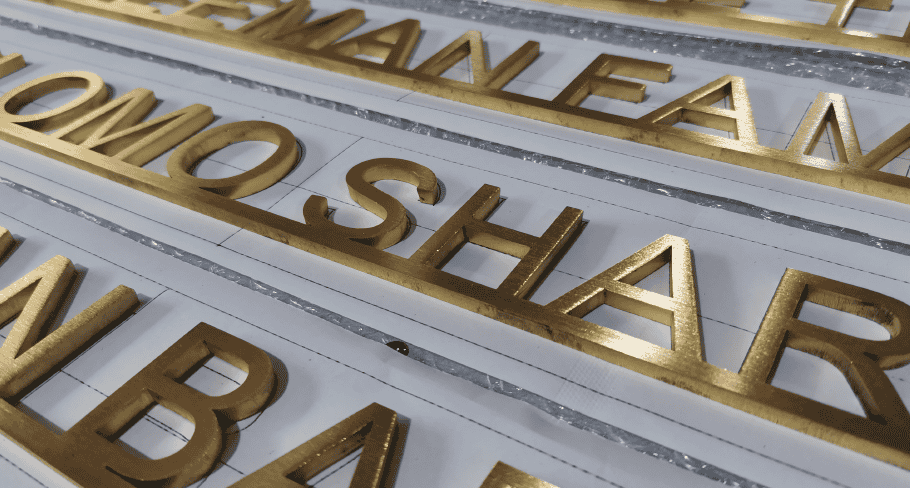
The antiquing technique is mainly used to create a sense of vintage and timelessness. Through specific treatments, the surface of copper will exhibit variations in depth and an aged appearance, and is often applied to antique-style signs, plaques, and decorative projects.
Electroplating
Electroplating is the process of coating the surface of copper with another metal layer to improve appearance or enhance corrosion resistance. It can produce various colors and texture effects, and is therefore widely used in products with strong decorative features.
Painting
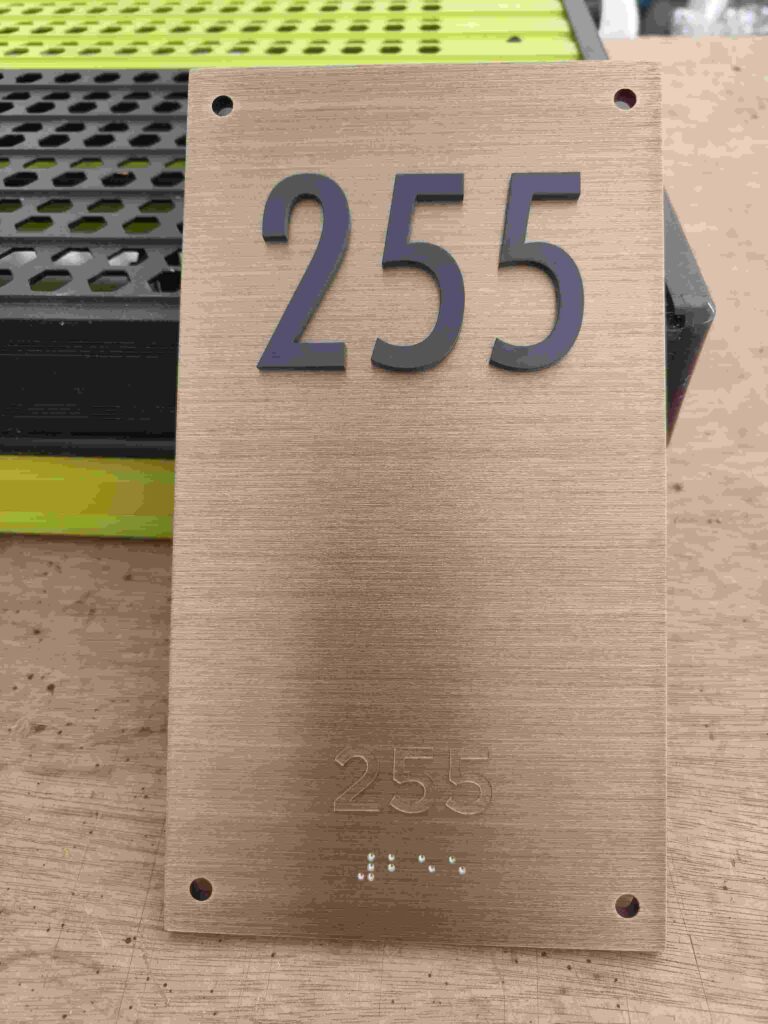
Painting is achieved by applying a colored coating on the copper surface to change the appearance and also provides some protection. It is suitable for signage products that require special color effects or personalized designs.
Oxidation
The oxidation process will form an oxide layer on the copper surface, resulting in a darker and more textured appearance. It can be either a natural oxidation or achieved through artificial control, and is commonly used in products with a vintage or artistic style.
Which Surface Finish Is Best for Copper Signage?
The three options that are most recommended are antiquing, brushing, and polishing. The specific choice depends on the style you desire, and it corresponds as follows:
- Antiquing: This is the most suitable option for those who desire an elegant, retro, or historical look for the copper plate.
- Brushing: This is the best choice for a modern, simple, and eye-catching style, and it is also widely applicable.
- Polishing: This is the most suitable option for those who want a shiny, refined, and visually impactful finish.
If there is only one option and you want to cater to the majority of customers’ aesthetic preferences, brushing is usually the safest and most commonly used choice. It is not as eye-catching as polishing, nor as bold as antiquing, and is suitable for signs such as doorplates, nameplates, building plates, and brands.
In short:
For a high-end, vintage look, choose antiquing; for a modern, timeless appeal, choose antiquing; and for a striking, refined aesthetic, go with a polished finish.
FAQ
Why do copper signage change color over time?
Copper signage may oxidize naturally when exposed to air and moisture, which can cause the surface color to darken or develop an aged look. For many people, this change adds character(similar to antiquing), but protective finishes can help slow it down.
Can copper signage be used outdoors?
Yes, copper signage can be used outdoors, but they may oxidize or change color over time. If long-term appearance is important, a protective finish or regular maintenance is recommended.
How do you maintain a copper signage?
To maintain a copper signage, clean it gently with a soft cloth and avoid harsh chemicals. If the signage has a protective coating, regular gentle cleaning is usually enough to preserve its appearance.
Take Away
Copper signage can offer a strong balance of style, durability, and versatility, but the best material and finish depend on the project’s purpose. Brass is usually the most practical choice for signage, while brushing is often the safest and most widely accepted surface finish. If you want a warmer retro look, antiquing works well; if you want a brighter premium look, polishing is a better option. In the end, choosing the right copper material and finish is all about matching the design style, budget, and usage environment.
Contact us today to find the best copper signage solution for your project.
References: