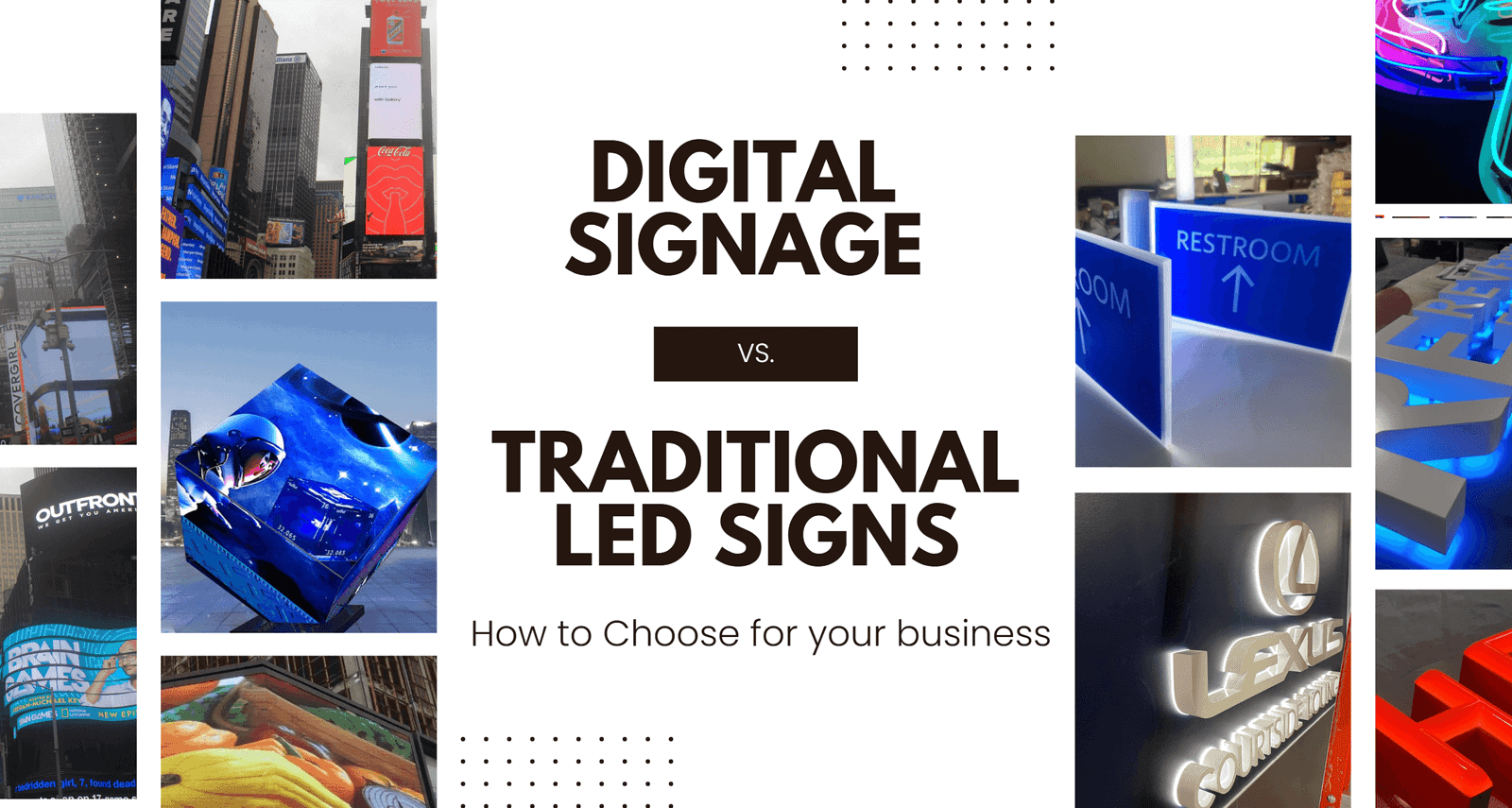

Many people consider “LED modules” and “LED strips” to be the same thing, but in fact, their structures, uses and installation methods are completely different.
To summarize the differences between them, it would be:
The LED module is an independent light-emitting unit encapsulated in a plastic casing, modules are connected in series with each other, it is waterproof and durable, and is mainly used for large outdoor illuminated signs and advertising light boxes;
And LED strip is a continuous linear light source based on a flexible PCB, compared to LED module, it is smaller, thinner, and more flexible, and is mainly used for LED neon lights and illuminated signs with thinner strokes.
Next, I will explain each aspect in detail for you: structure, optics, application scenarios, and installation methods.
Structure
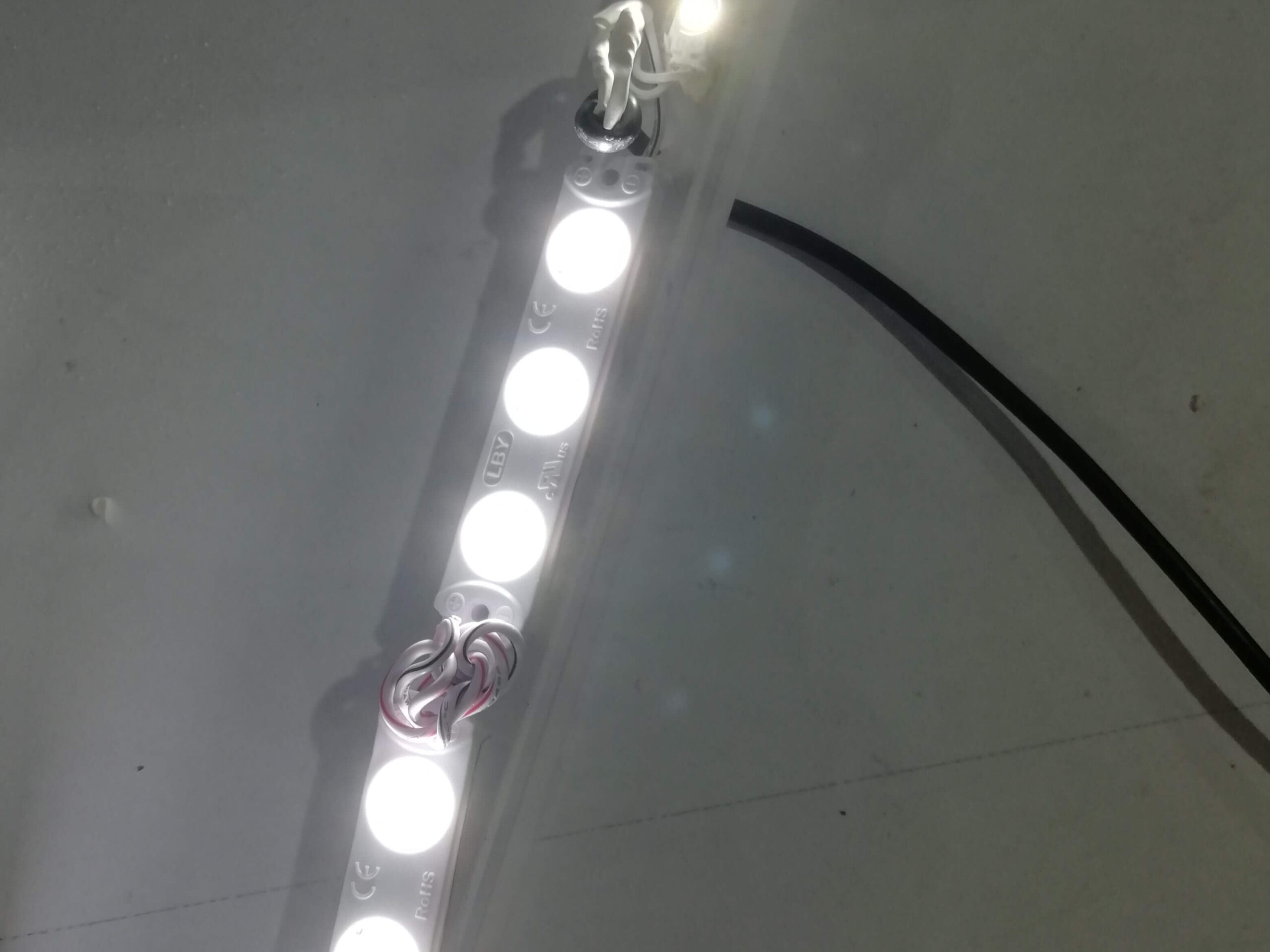
LED modules are usually individual light-emitting units encapsulated in plastic casings. Each module group typically consists of 1 to 4 LED chips, with internal constant current or current-limiting circuits and filled with waterproof glue. The modules are connected in series through wires.
As shown in the figure below, the structure of the LED module you see is actually a series of “dots”:
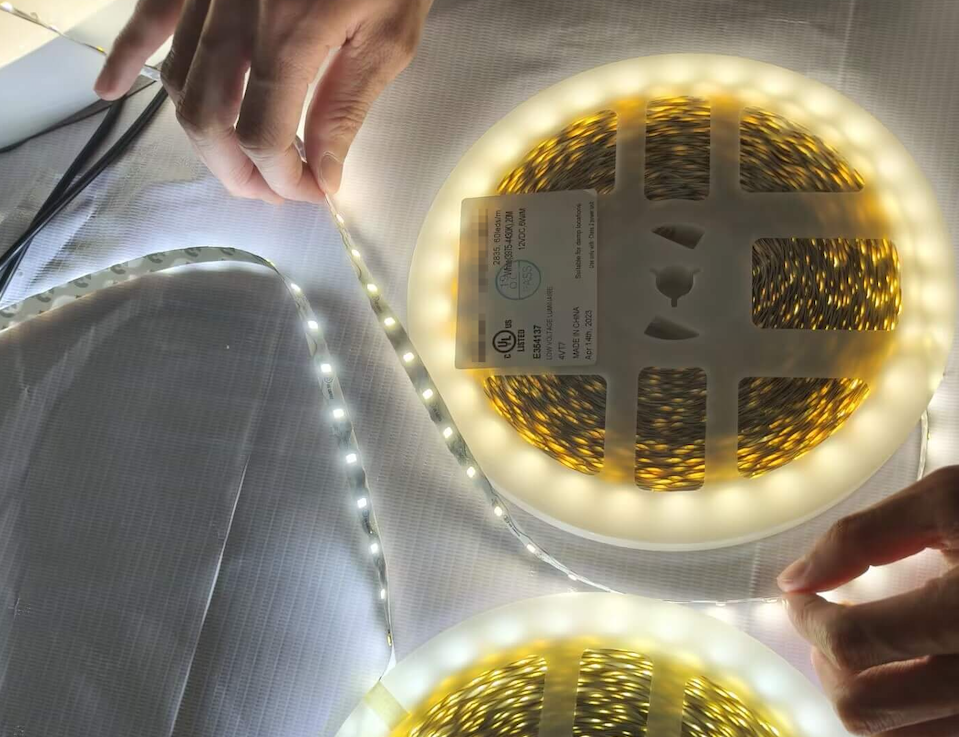
The LED strip is a continuous flexible circuit board (FPC). The LED bulbs and other electronic components are directly soldered onto the flexible circuit board. It is very thin and flat, usually supplied in 5-meter rolls and can be freely cut according to the preset cutting lines. In structure, it is like a “line”:
Optics
Apart from the differences in structure, there are also significant differences in optical design between LED modules and LED strips.
The surface of LED modules (especially those used for signs) usually have a secondary optical lens. The function of this lens is to stretch the light from 120° to 160° or even 175°. The purpose of doing this is to enable the light to spread rapidly and evenly within a very short distance (such as within 5-10 cm of the letter shell) and cover the entire surface:
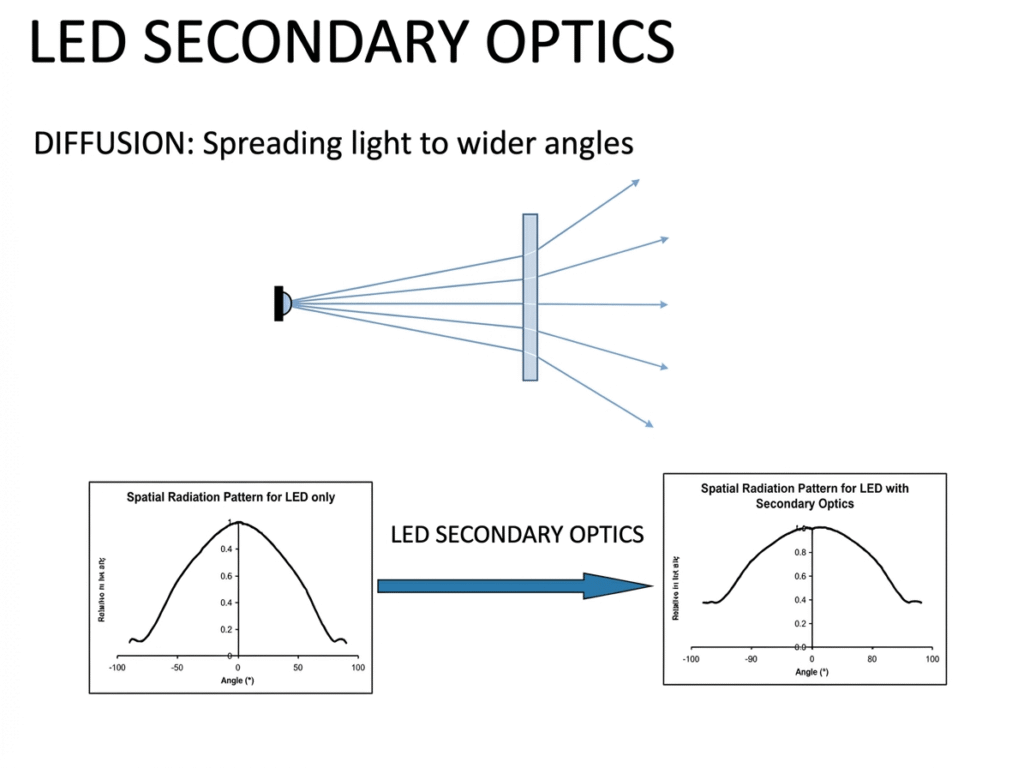
LED strips usually do not have lenses and directly emit the 120° light from the chip. The purpose of this is to make the path of the light more natural and to achieve a softer effect by combining with longer-distance or thicker lamp covers.
Application Scenarios
It is precisely because of the differences in structure and light emission effect that their application scenarios also vary significantly.
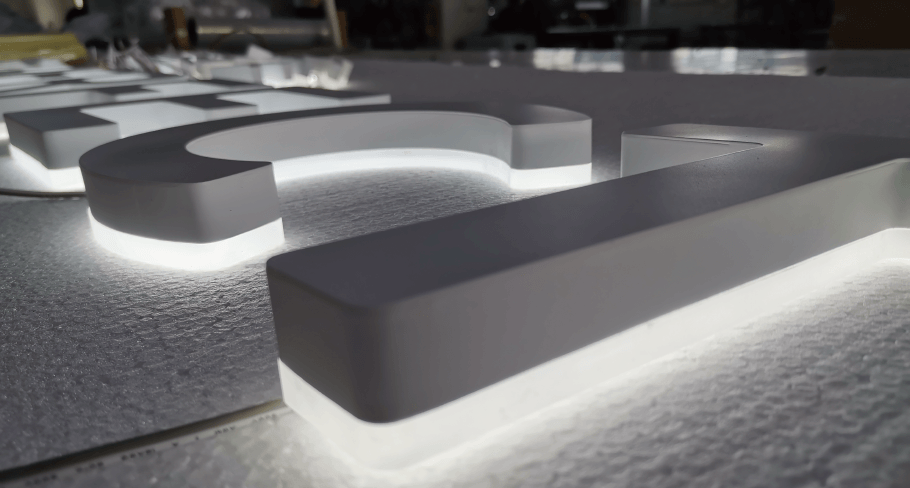
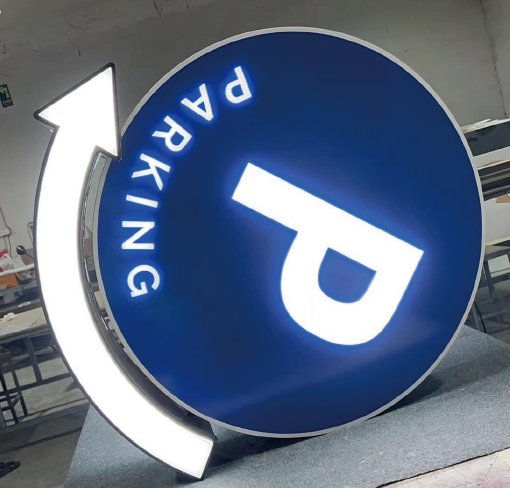
Due to the characteristics of high brightness, strong penetration, and water resistance and durability of LED modules, they are usually used in outdoor scenarios such as large outdoor illuminated signs and advertising light box sign:
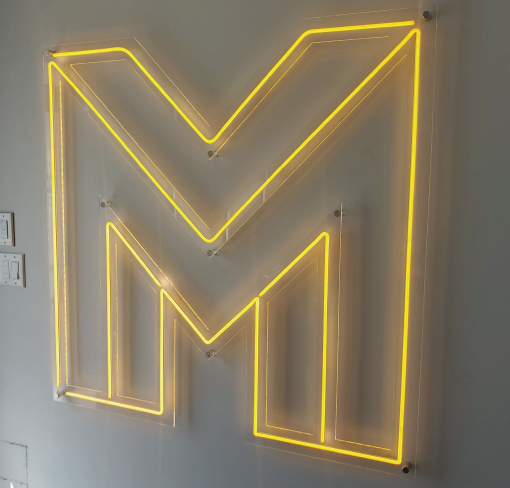
And because LED strip lights have the characteristics of being soft, flexible, attractive, and occupying less space, they are usually used in scenarios such as LED neon lights and thin-line illuminated characters:
Installation Methods
LED modules usually come with 3M adhesive and are fixed with silicone. They are generally installed in irregular spaces or inside the letter casings, with relatively flexible layouts. However, the installation process is a bit complicated.
The LED strips also usually come with 3M adhesive on them, and because it is very light, so they can be simply stuck on. The installation process is very simple.
Select Suggestion
If you are creating large outdoor signs or thick advertising light boxes, please give priority to LED modules. They have better durability and more effective light diffusion capabilities.
If you are engaged in interior decoration or are seeking an ultra-precise linear visual effect (such as LED neon lights), LED strips are a more aesthetically pleasing and efficient option.
Take Away
The above suggestions for selection are generally applicable in most cases, but in actual projects, these are not always fixed. For example:
- For large illuminated characters, the areas with thinner strokes are illuminated by LED strips.
- For acrylic full-illuminated characters, LED strips are used to avoid shadows.
Therefore, in actual projects, we still need to design flexibly—taking into account various factors such as spatial dimensions, lighting and shadow effects, and weather resistance—to ensure the product achieves its optimal visual impact.
As a veteran expert in this field, FT Signage possesses extensive project experience and offers the flexibility to design and customize solutions tailored to our clients’ specific project requirements. Welcome to contact us to discuss your customization needs and explore further details.