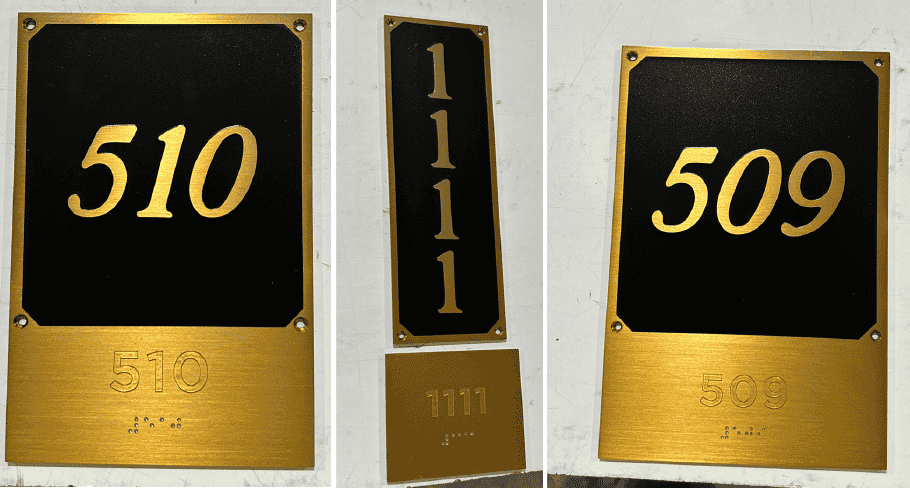

During the production of illuminated signs, metal signs and other types of signage, we often come across several terms related to surface gloss treatment:
matte, satin, semi-gloss and gloss.
Many people may not be clear about exactly what the differences are between them. This article will explain it clearly.
Simply put, matte has little to no shine, satin offers a soft sheen, semi-gloss sits between satin and gloss, and gloss is the most reflective and shiny.
Matte
Matte refers to a surface effect with almost no gloss. Overall, it appears more subdued and gentle, effectively reducing reflections and highlighting simplicity and sophistication. It is commonly used for illuminated letters, metallic letters, and signboard surface treatments that aim for a a sophisticated and understated aesthetic.
Satin
Satin refers to a soft and smooth surface finish with a slight sheen, lying between matte and semi-glossy. It is usually produced through processes such as brushing, fine grinding, polishing, or special coating, and the specific method varies depending on the material and the desired appearance effect.
Semi-gloss
Semi-gloss is a semi-glossy surface effect that lies between satin and gloss. It has a certain level of shine without being as dazzling as high-gloss. It is usually more resistant to dirt and easier to clean, so it is often used for surfaces that require both texture and practicality.
Gloss
Gloss refers to a high-gloss, highly reflective surface effect. The surface appears the brightest and has the most mirror-like quality. It can highlight colors and textures, but it is also more prone to showing fingerprints, scratches and surface flaws.
A Quick Summary of the Differences
To help you better understand the difference in glossiness effect between them, please refer to the following picture:
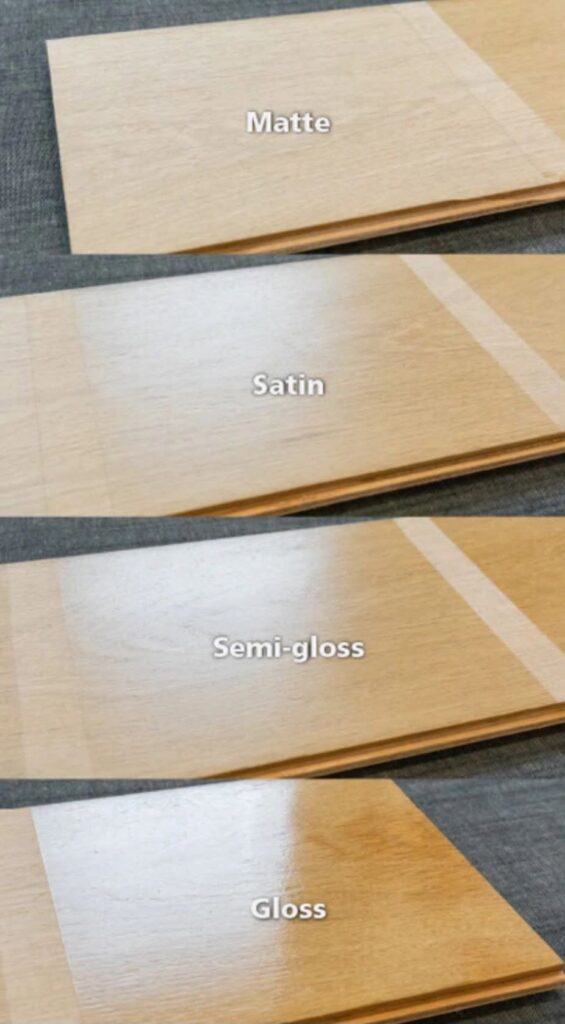
From the picture, we can see that from matte to satin to semi-gloss and then to gloss, their levels of reflectivity gradually increase. Matte has almost no reflection, while gloss exhibits a strong reflective effect.
| Finish | Sheen level | Visual effect | Typical traits | Best use |
|---|---|---|---|---|
| Matte | Lowest | Almost no reflection; flat and understated | Clean, soft look; hides minor surface flaws and reduces glare | Signs that want a restrained, modern, or premium‑matte appearance |
| Satin | Low–medium | Soft, subtle sheen between matte and semi‑gloss | Smooth, refined texture; balanced and elegant | When you want some warmth and depth without strong reflection |
| Semi‑gloss | Medium–high | Noticeable shine but not mirror‑bright | Polished, practical; easier to clean and more durable | High‑traffic or functional surfaces that still need a neat look |
| Gloss | Highest | Bright, highly reflective; mirror‑like | Bold, vivid color and strong visual impact; shows fingerprints and scratches more | Applications that require standout brightness and strong presence |
FAQ
Which finish is best for signage?
It depends on the look you want. Matte is understated, satin is balanced, semi-gloss is practical, and gloss is the most eye-catching.
How do I choose between matte and gloss?
Choose matte for a subtle, low-shine look that hides imperfections, and choose gloss for a bold, high-shine finish that creates stronger visual impact.
Which finish hides surface imperfections better?
Matte usually hides surface imperfections the best because it reflects the least light and makes scratches, fingerprints, and uneven areas less noticeable.
Take Away
When choosing a finish, the main difference is how much light it reflects—matte is the most understated, satin adds a soft elegance, semi-gloss balances shine and practicality, and gloss delivers the brightest, most eye-catching look.
If you have any questions about signage or need a custom solution, please feel free to reach out to us.